
Your Dental Records and X-rays in Korea, and How They Travel Home
Published by The Seoul Dental Clinic · Meet the dentists
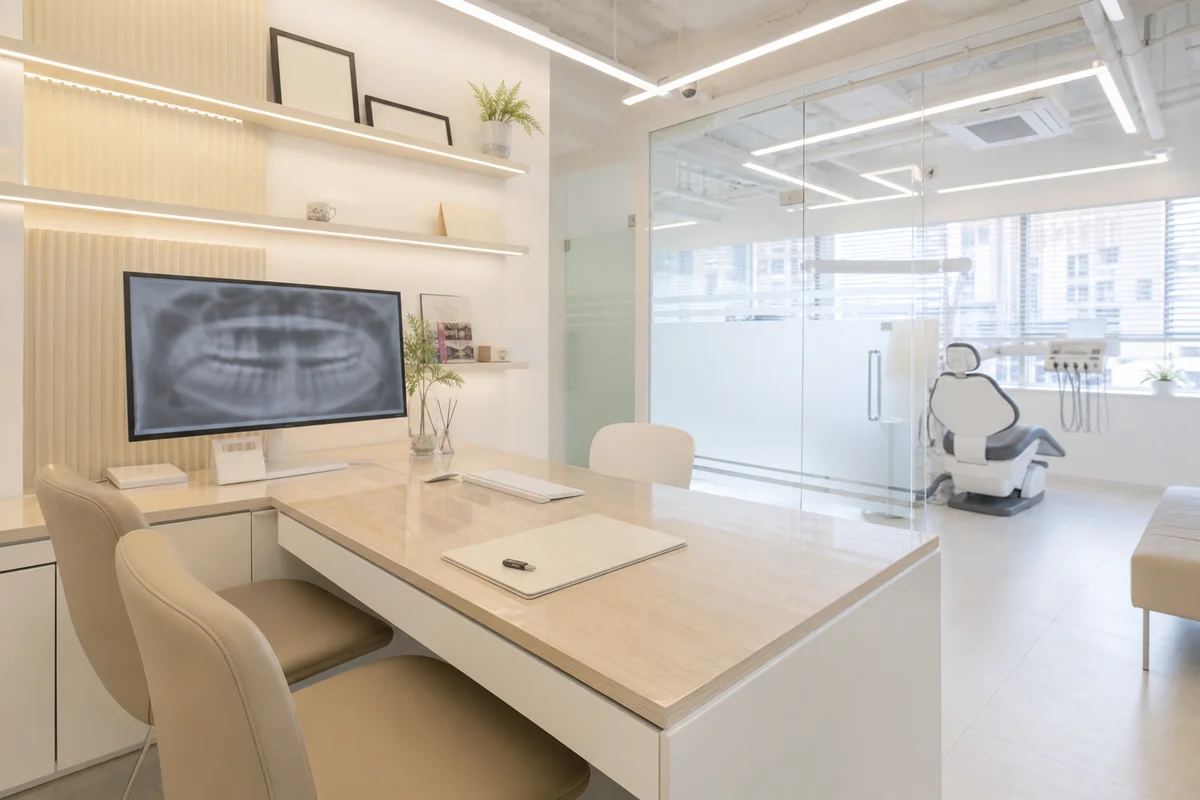
You can ask a Korean dental clinic for your treatment summary and X-ray images. Request them before you leave the country, ask for digital copies you can open at home, and keep them with your passport-day paperwork. Confirm with the clinic what formats it can provide.
Why your records matter
Dental records are the story of what was done to your teeth: what was found, what was treated, and with which materials. A dentist at home, an insurer or a future clinic can read them and avoid repeating tests or guessing.
If you are visiting Korea for treatment, they matter even more, because follow-up may happen in another country.
Good records also protect you if you need a second opinion. A new dentist can compare what was found with what was treated, and can see whether a plan makes sense. They are also useful years later, when an old filling or crown needs attention and nobody remembers which materials were used. Treat your dental file like any other health document and store a backup copy in a safe place.
What a good set of records includes
Ask what the clinic can provide for your case. A useful set may include the items below, though availability can differ.
- A written summary of diagnosis and treatment, ideally in English.
- X-ray images or scans taken at the clinic, as digital files.
- The date and details of each procedure.
- The materials or implant system used, where relevant.
- Itemized receipts, which overseas insurers usually need.
- Aftercare instructions and any follow-up plan.
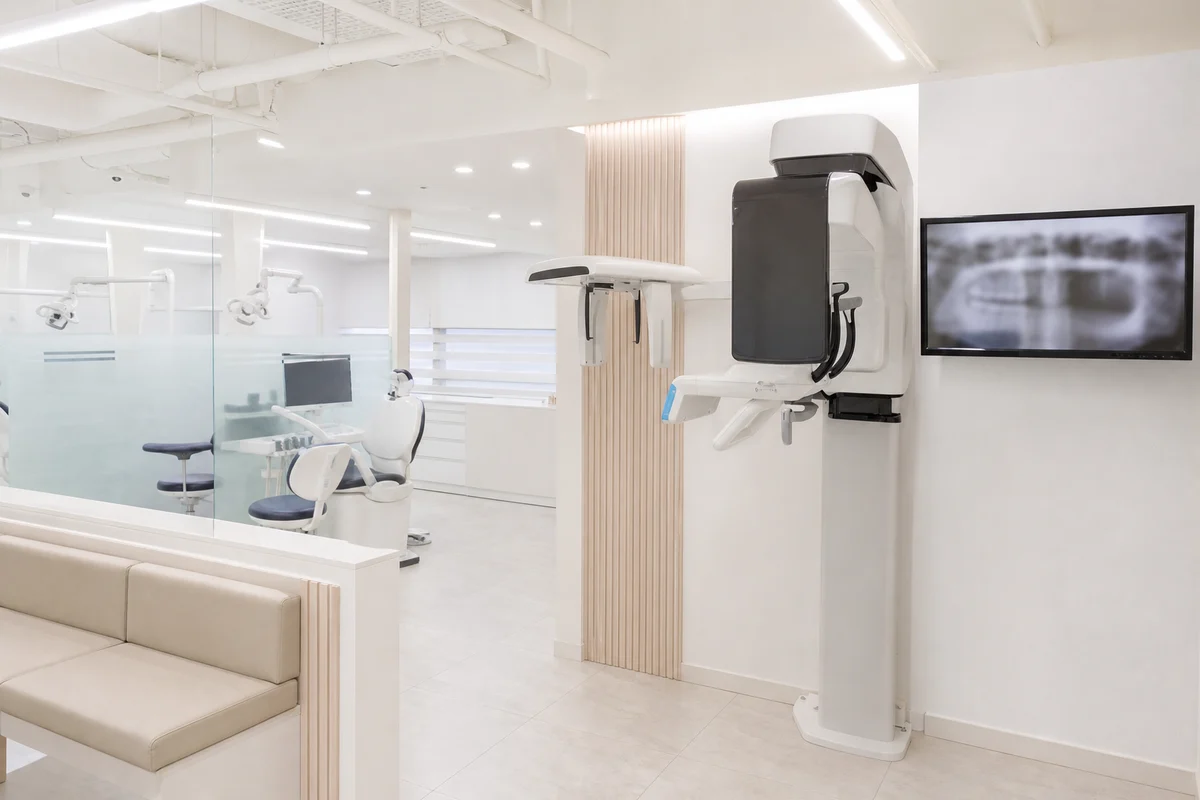
How to request them
Ask early
Mention records at your first or second visit rather than the day you leave. It gives the clinic time to prepare them.
Say what format you need
Ask for digital copies you can open on a phone or laptop, and a printed summary for your own files.
Name the purpose
Tell the clinic if records are for an insurer, a home dentist or your own archive, as each may need something slightly different.
Check before you leave
Open the files and confirm they work before you head to the airport.
Who needs what
The clinic states that English-language support and overseas-insurance paperwork support are available. Ask what is covered in your case.
| Who | Typically wants |
|---|---|
| Your dentist at home | Treatment summary, X-rays, materials used, follow-up plan |
| Overseas insurer | Itemized receipts, diagnosis and treatment details; check their own form |
| Employer or school | Whatever the policy requires; ask them first |
| Your own files | A full set of digital copies |
Privacy and sending records
Records contain personal health information. Send them only to people you trust and by a channel you are comfortable with. Ask the clinic what its process is for sharing records directly with another dentist, and whether it needs your written consent.
Policies on record retention and release differ between clinics, so ask rather than assume. The clinic's own process takes priority over anything written here.
Bringing your own records to Korea
If you already have X-rays from home, bring them or have them sent in advance. Previous images can help your dentist understand your history, though they may still want to take new ones. See our guide to what to bring to your first visit.
A little organization goes a long way. Name your files clearly with the date and the type of record, and keep a copy in cloud storage as well as on your phone. If you need to share them with a new clinic or insurer, you will be able to do it in minutes instead of searching through old messages.
Frequently asked questions
Can I take my X-rays home?
Ask the clinic before you leave. Digital copies are the most practical to travel with.
Will the records be in English?
Ask for an English summary. The clinic states that English-language support is available.
Are records free?
The clinic does not publish a records fee. Ask when you request them.
Can the clinic send them directly to my dentist?
Ask the clinic about its process and whether it needs your consent.
English-speaking dentists in Seongnam
The clinic was founded by two brothers trained at Seoul National University who direct it together. Three further dentists hold Ministry of Health and Welfare specialist certifications. Full credentials →
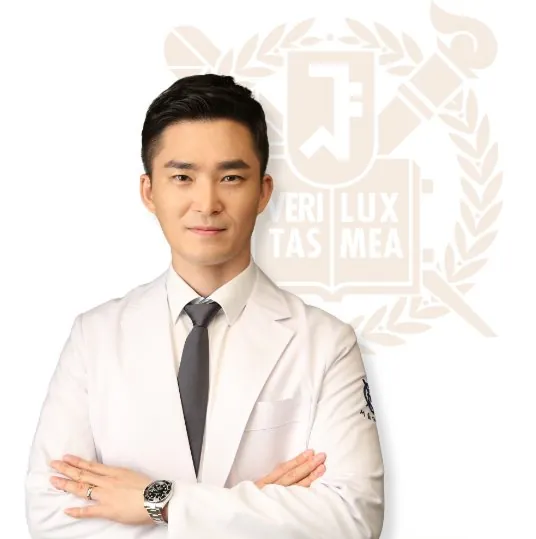
Dr. Hyun Sung Park
Clinic Director
- Co-founder and joint clinic director
- DDS, Seoul National University School of Dentistry
- Master’s degree, SNU Graduate School of Dentistry
- Former staff, Dept. of General Dentistry, SNU Dental Hospital
- Microendodontics Programme, SNU
- Course completion, UCLA, USA
- Member, UPenn Endodontics Study Club, USA
- Certified Invisalign Provider
- Osstem Implant AIC Programme
- Member, International Congress of Oral Implantologists (ICOI)
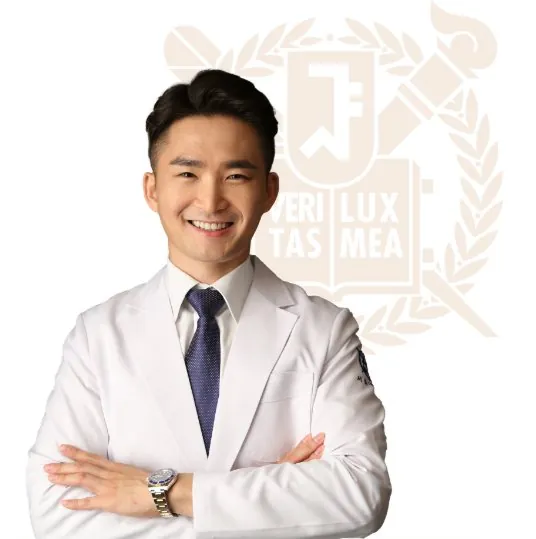
Dr. Hyeonjoon Park
Clinic Director
- Co-founder and joint clinic director
- DDS, Seoul National University School of Dentistry
- Master’s degree, SNU Graduate School of Dentistry
- Former staff, Dept. of General Dentistry, SNU Dental Hospital
- Affiliate Associate Fellow, American Academy of Implant Dentistry (AAID)
- Certified Invisalign Provider; leads orthodontic treatment
- Course completion, UCLA, USA
- Member, UPenn Endodontics Study Club, USA
- Member, International Congress of Oral Implantologists (ICOI)
- Member, Seoul Prime Orthodontic Study Club
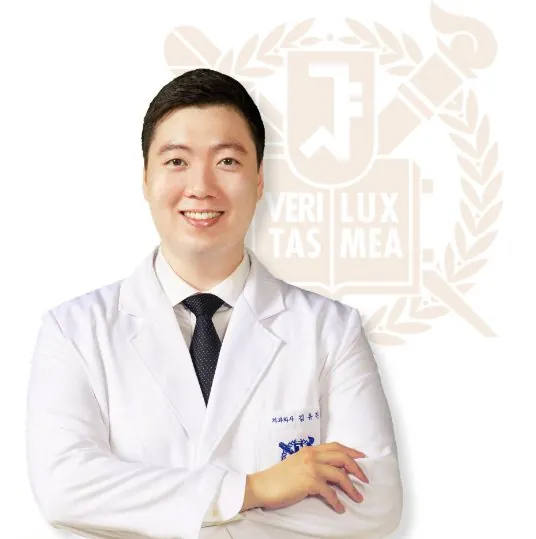
Dr. Yu Jin Kim
Dentist
- Board-certified specialist, Advanced General Dentistry (Ministry of Health and Welfare)
- Johns Hopkins University, USA
- Master’s degree, SNU Graduate School of Dentistry
- Former staff, Osaka University Dental Hospital, Japan
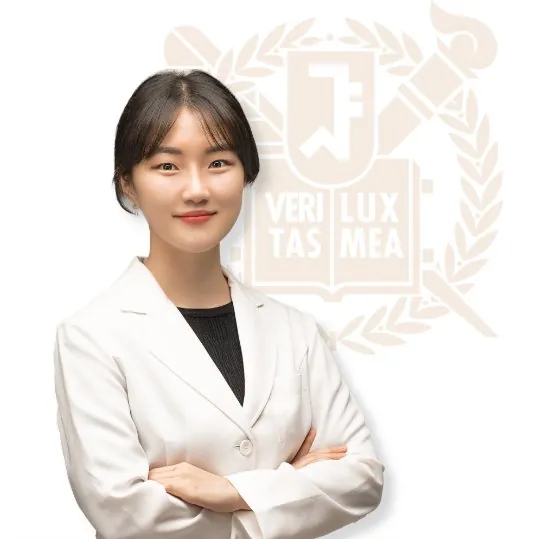
Dr. Min Ji Choi
Dentist
- Board-certified specialist, Conservative Dentistry
- Board-certified specialist, Advanced General Dentistry
- Internship and residency, Jeonbuk National University Dental Hospital
- Master’s degree in Conservative Dentistry, Jeonbuk National University
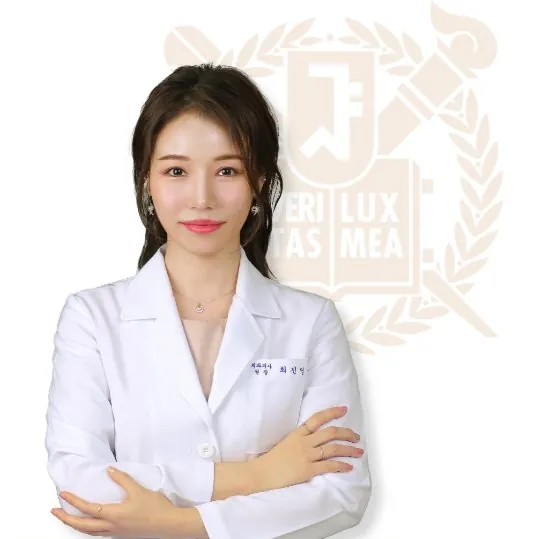
Dr. Jin Young Choi
Dentist
- Board-certified specialist, Advanced General Dentistry
- Clinical training, Faculty of Dentistry, University of British Columbia, Canada
- Master’s degree, Kyungpook National University Graduate School of Dentistry
- BA in English Language and Literature, Korea University
Related treatments and guides
Planning a visit to Taepyeong?
Mention records at your consultation so everything is ready before you travel home.