Invisalign First for Children near Taepyeong Station, Seongnam
Invisalign First is an early-stage clear aligner system designed for growing children who still have some baby teeth.
Ask about Invisalign First (Kids)
Tap what fits — your message is prepared for you. Nothing is sent until you press send.
Send opens your email app addressed to theseouldc@naver.com. Prefer chat? KakaoTalk channel · Instagram DM · or call +82-31-757-1525.
Message copied. Please call +82-31-757-1525 or email theseouldc@naver.com.
Invisalign First is an early-stage clear aligner system designed for growing children who still have some baby teeth. It is not right for every child, and the timing depends on the child's teeth and jaw. A dentist examines your child first and then explains whether it makes sense, what it involves and what it is likely to cost.
What Invisalign First Is
Invisalign First is a version of clear aligner treatment planned for children whose permanent teeth are still coming in. The aligners are removable, clear trays that move teeth in small steps, and they are replaced with new trays as treatment goes on.
The idea of treating early is to work with growth rather than wait until all adult teeth have arrived. Depending on the case, early treatment may be used to make room for erupting teeth, address bite problems that are visible early or guide the way the teeth come together.
It is not the same as full adult treatment, and some children do better with a different approach, with a period of observation or with treatment later. A first assessment is about deciding what, if anything, to do now.
Because the child is still growing, plans can change. Your dentist may adjust the approach as new teeth arrive.
- Clear, removable trays rather than fixed brackets
- Designed with a growing mouth in mind
- Replaced in a series as treatment goes on
- Not a substitute for an examination
How We Assess a Growing Child: Scan, Facial Analysis and Growth Stage
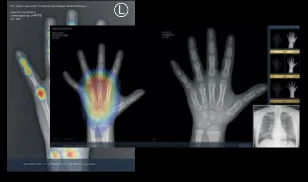
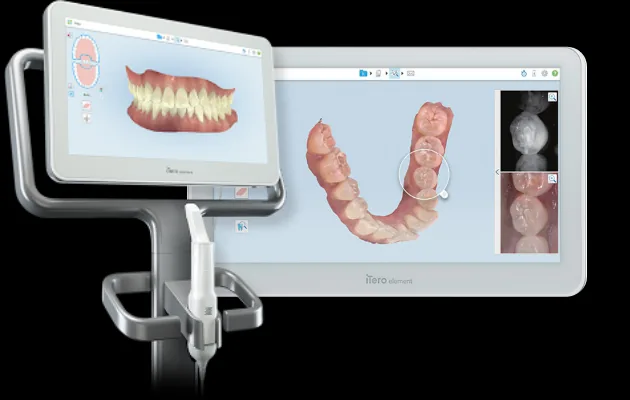
Early treatment depends on timing, so the assessment looks at how your child is growing as well as at the teeth. The clinic combines an iTero 3D scan of the teeth, photographs and facial analysis, and X-rays that can include a hand-wrist image used to estimate growth stage.
Growth-stage information helps the dentist judge whether now is a sensible time to start, or whether waiting would make treatment simpler. The plan is then set out in ClinCheck so you can see the intended tooth movement before you agree.
Children as young as about six can be assessed. Whether treatment is recommended depends on the problem: some children benefit from an early phase, while for others the honest advice is to monitor growth and review later.
Invisalign First for Kids for Taepyeong, Moran, Sujin and Bundang Residents
The clinic is by Taepyeong Station, Exit 5, in Sujin-dong, Sujeong-gu, Seongnam. Families around Taepyeong, Moran, Sujin, Sinheung, Gachon and Wirye New Town can arrange check-ups for a child without a long journey.
Children need regular review during aligner treatment, so location is a practical consideration. Short visits near home are easier to fit around school and activities.
Moran and Sujin are on the Line 8 side of the local map, and Moran and Bokjeong also appear on the Suin-Bundang Line, so many Bundang-side families can plan a route by subway. We do not quote travel times; check your own route in a map app before booking.
English consultation is available, so both parents can follow the explanation. Orthodontic treatment here is handled by Dr. Hyeonjoon Park, a Certified Invisalign Provider. The clinic is open Mon–Wed 09:30–20:30, Thu 09:30–19:00, Fri 09:30–18:30 and Sat 09:30–13:00, with no lunch break; it is closed on Sundays and open on public holidays.
Which Children Benefit
Whether a child benefits is decided at an examination. The cards below describe situations dentists often discuss for early treatment; they are not a checklist for a diagnosis.
A child who is not yet ready, for example because teeth are still erupting or the child is not able to wear trays as directed, may be asked to wait. That is a normal outcome, not a failure.
Crowding as teeth arrive
Some children have little room for incoming permanent teeth. Your dentist assesses whether early action would help.
Bite concerns
Crossbites, deep bites or open bites that show up early may be discussed. Not all need early treatment.
Habits
Thumb sucking or mouth breathing can affect development. Your dentist can advise on whether aligners are relevant.
Watch and wait
Some children are best monitored. Regular check-ups let the dentist choose the right time.
How Treatment Works
Treatment starts with a conversation and an examination, not with aligners. Parents are involved at every stage, and children usually do better when they understand the plan.
Aligners only work when they are worn as directed, so your dentist will explain how many hours are expected each day and what to do at mealtimes, school and sport.
Assessment
The dentist examines your child's teeth and jaw and reviews imaging if needed. Parents ask questions in English.
Plan
If aligners suit your child, a digital plan is prepared and the steps, timing and cost are explained.
Wearing the aligners
Your child wears each set as directed and moves to the next set on schedule.
Review visits
Regular check-ups track tooth eruption and fit. The plan can change as teeth arrive.
Cost Information
A separate fee for Invisalign First is not published, so it is quoted after examination. The adult Invisalign range is shown for context only and should not be read as the price for a child.
The cost of early treatment depends on the plan, the number of aligners and whether a later phase of treatment is needed. Ask whether the quote covers only the first phase and what follow-on care might involve.
Retainers and add-ons are priced separately. Fixed retainers are listed at ₩100,000 to ₩200,000 and removable retainers at ₩150,000 to ₩200,000. Ask which of them your child is likely to need.
| Item | Published price (KRW) |
|---|---|
| Invisalign (adult range) | ₩2.5M to ₩7M |
| Children's care (fluoride, baby-tooth filling, stainless steel crowns, space maintainers) | ₩30,000 to ₩250,000 (fluoride ₩30,000; space maintainer ₩250,000) |
| Retainers (fixed / removable) | ₩100,000–₩200,000 / ₩150,000–₩200,000 |
Prices are the published non-covered price list in Korean won. Your final figure is confirmed at consultation; orthodontic diagnosis is listed at ₩100,000.
Kids Aligner FAQ
Parents often ask the same questions about early aligners. Short answers are below, and the clinic can go into more detail at the examination.
Keep spare aligner cases at home, brush before putting aligners back in, and report pain or sores to the clinic. Ask what to do if an aligner is lost or cracked, and how that affects the timeline. Children who understand the plan tend to wear aligners more consistently, so talk it through before you begin.
Is Early Treatment Right for My Child?
Starting early is a choice with benefits and trade-offs, not an automatic improvement. Your dentist weighs your child's teeth, jaw growth and ability to cooperate.
Waiting can be reasonable when the problem is minor or when permanent teeth have not yet come in. Early treatment can be reasonable when a problem may get harder to address if left.
A child's own attitude matters. A child who is nervous may need time, and a calm first visit can help.
- Ask what happens if we wait
- Ask what happens if we start now
- Ask how long the first phase may last
- Ask whether a second phase is likely
English-speaking dentists in Seongnam
The clinic was founded by two brothers trained at Seoul National University who direct it together. Three further dentists hold Ministry of Health and Welfare specialist certifications. Full credentials →

Dr. Hyeonjoon Park
Clinic Director
- Co-founder and joint clinic director
- DDS, Seoul National University School of Dentistry
- Master’s degree, SNU Graduate School of Dentistry
- Former staff, Dept. of General Dentistry, SNU Dental Hospital
- Affiliate Associate Fellow, American Academy of Implant Dentistry (AAID)
- Certified Invisalign Provider; leads orthodontic treatment
- Course completion, UCLA, USA
- Member, UPenn Endodontics Study Club, USA
- Member, International Congress of Oral Implantologists (ICOI)
- Member, Seoul Prime Orthodontic Study Club

Dr. Hyun Sung Park
Clinic Director
- Co-founder and joint clinic director
- DDS, Seoul National University School of Dentistry
- Master’s degree, SNU Graduate School of Dentistry
- Former staff, Dept. of General Dentistry, SNU Dental Hospital
- Microendodontics Programme, SNU
- Course completion, UCLA, USA
- Member, UPenn Endodontics Study Club, USA
- Certified Invisalign Provider
- Osstem Implant AIC Programme
- Member, International Congress of Oral Implantologists (ICOI)
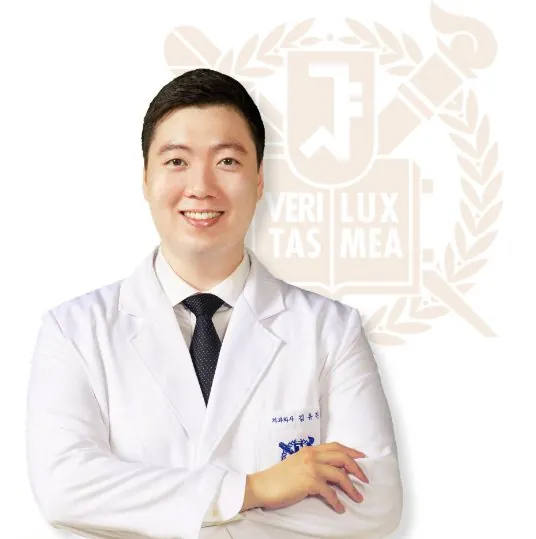
Dr. Yu Jin Kim
Dentist
- Board-certified specialist, Advanced General Dentistry (Ministry of Health and Welfare)
- Johns Hopkins University, USA
- Master’s degree, SNU Graduate School of Dentistry
- Former staff, Osaka University Dental Hospital, Japan

Dr. Min Ji Choi
Dentist
- Board-certified specialist, Conservative Dentistry
- Board-certified specialist, Advanced General Dentistry
- Internship and residency, Jeonbuk National University Dental Hospital
- Master’s degree in Conservative Dentistry, Jeonbuk National University

Dr. Jin Young Choi
Dentist
- Board-certified specialist, Advanced General Dentistry
- Clinical training, Faculty of Dentistry, University of British Columbia, Canada
- Master’s degree, Kyungpook National University Graduate School of Dentistry
- BA in English Language and Literature, Korea University
Invisalign First (Kids): frequently asked questions
At what age can a child start?
It depends on the child's teeth and development. The dentist decides after an examination.
Does my child need to wear them all day?
Aligners work when worn as directed. The dentist will explain the daily wear that the plan needs.
Is Invisalign First the same as adult Invisalign?
No. It is designed for growing children with baby and permanent teeth, so the plan differs. The adult range is published at ₩2.5M to ₩7M, and a child's fee is quoted after examination.
Can aligners guide jaw growth?
Your dentist can explain what early aligners can and cannot do for your child's jaw. Some jaw problems need a different type of appliance.
What if my child loses an aligner?
Contact the clinic as soon as possible. Your dentist will advise whether to go back a step, use a spare or order a replacement.
Will my child find them uncomfortable?
Some pressure or tenderness is common when a new set is started. Tell the clinic if there is pain or a sore spot.
Can a child eat with aligners in?
Aligners are normally removed for eating and put back after brushing. Your dentist gives the exact instructions.
What else does the clinic offer for children?
Children's care includes fluoride, baby-tooth fillings, stainless steel crowns and space maintainers, with published fees of ₩30,000 to ₩250,000.
Can I get an English explanation?
Yes. English-language consultation is available, so both parents can follow the plan.
Related treatments and guides
Book a children's assessment
Bring your child for an examination and we will explain in English whether early aligners make sense.
Visit us: Taepyeong Station Exit 5, Seongnam
2–3F, 1225 Seongnam-daero, Sujeong-gu, Seongnam-si, Gyeonggi-do (Taepyeong Station Exit 5)
| Monday – Wednesday | 09:30 – 20:30 |
|---|---|
| Thursday | 09:30 – 19:00 |
| Friday | 09:30 – 18:30 |
| Saturday | 09:30 – 13:00 |
| Sunday | Closed |
| Public holidays | Open |
| Lunch break | None — continuous hours |
Parking garage in the building; parking benefits for patients receiving treatment.