Sedation Dentistry: Calm, Relaxed Care near Taepyeong Station, Seongnam
Conscious sedation helps anxious patients stay relaxed during dental treatment while remaining able to respond.
Ask about Sedation Dentistry
Tap what fits — your message is prepared for you. Nothing is sent until you press send.
Send opens your email app addressed to theseouldc@naver.com. Prefer chat? KakaoTalk channel · Instagram DM · or call +82-31-757-1525.
Message copied. Please call +82-31-757-1525 or email theseouldc@naver.com.
Conscious sedation helps anxious patients stay relaxed during dental treatment while remaining able to respond. At The Seoul Dental Clinic, sedation can be carried out by a specialist in anesthesiology and pain medicine working with the surgical team, who monitors heart rate, blood pressure and oxygen saturation throughout. The published fee is ₩300,000 for general sedation and ₩400,000 for sedation with an anesthesiologist; suitability is confirmed at an examination.
What Conscious Sedation Is
Conscious sedation is a medicated state of deep relaxation. You stay awake enough to breathe on your own and to respond to the dentist, but you feel calmer and are often less aware of what is happening. It is different from general anesthesia, in which a patient is fully unconscious.
Sedation does not replace local anesthesia. The treated area is still numbed in the usual way, and sedation adds a layer of calm on top. Many people remember less of the procedure afterward, although this varies from person to person.
Because sedatives affect how alert you are, they come with rules. You are asked about your health and medicines beforehand, and you follow instructions about eating, drinking and who accompanies you. Your dentist decides whether sedation is appropriate for you and which form to use.
The clinic lists sedation as a separate fee: ₩300,000 for general sedation and ₩400,000 for sedation with an anesthesiologist.
- You stay responsive, unlike general anesthesia
- Local anesthetic is still used for the treated area
- Health history is reviewed first
- Not everyone is a suitable candidate
Sedation Dentistry for Taepyeong, Moran, Sujin and Bundang Residents
The clinic is by Taepyeong Station Exit 5 in Sujin-dong, Sujeong-gu, Seongnam. It serves patients from Taepyeong, Moran, Sujin, Sinheung, Gachon, Wirye and the Bundang side.
Location matters more than usual for sedation visits. You should not drive afterward, and you may feel tired or unsteady. A station-side clinic makes it easier to get home by subway with someone accompanying you, or to arrange a ride. Check a map app for your route; there is also a parking garage in the building, but you should not drive yourself home after sedation.
Moran and Bokjeong appear on both lines on the local map, and Sujin and Sinheung are on Line 8. The clinic is open Monday to Wednesday 09:30–20:30, Thursday 09:30–19:00, Friday 09:30–18:30 and Saturday 09:30–13:00, with no lunch break; it is closed on Sundays and open on public holidays. English-language consultation is available, so you can discuss your worries and medical history in English.
How Sedation Is Planned at The Seoul Dental Clinic
Sedation here is organised around three commitments: plan from a thorough diagnosis, monitor continuously, and use the sedation visit efficiently when several treatments are needed.
Diagnosis first
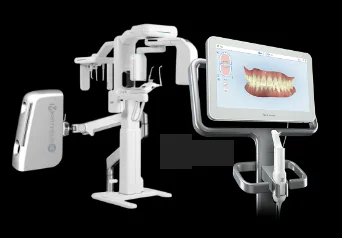
Examination and imaging come first, and your general health, including conditions such as high blood pressure or diabetes, is taken into account when the treatment and sedation plan is designed step by step.
Real-time monitoring
With an anesthesiologist present, the anesthesia team monitors your vital signs throughout treatment rather than checking only at the start and end.
Several treatments in one visit
Where your dentist judges it suitable, more than one procedure can be done during a single sedation visit, for example an extraction and implant placement, which can mean fewer appointments overall.
Safety and Monitoring
Safety with sedation depends on careful selection, appropriate dosing and attention during the procedure. Before you are sedated, your dentist reviews your medical history, current medicines, allergies and any previous reactions to anesthesia, and plans the sedation around any general health conditions you have.
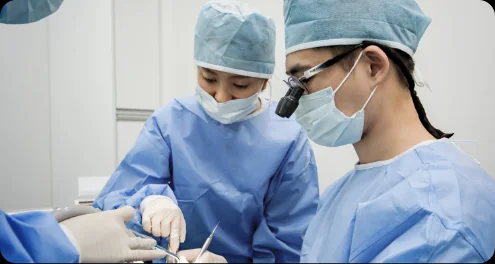
At The Seoul Dental Clinic, sedation can be provided by a specialist in anesthesiology and pain medicine who works with the surgical team. During treatment the anesthesia team checks your vital signs in real time: heart rate, blood pressure and oxygen saturation are tracked continuously, so any change is noticed and acted on straight away.
Instruments are sterilised for every patient, with one instrument set per patient and sterilised handpieces, including for surgical procedures under sedation.
No form of sedation is free of risk, and we do not promise that it will be free of side effects. Being honest about your health history is the single most useful thing you can do to keep it safe.
- Share your full medication list
- Mention sleep apnea or breathing problems
- Mention pregnancy or possible pregnancy
- Report previous reactions to anesthesia
Who Benefits
Sedation is most often considered for people with strong dental anxiety, a history of difficult dental experiences, a strong gag reflex, or difficulty staying still in the chair. It can also help when a long procedure would otherwise be tiring.
Some people choose sedation for specific treatments, such as implant placement or wisdom tooth removal, even when they are not especially anxious. It is a personal decision, and the dentist advises on whether it is appropriate.
It may not be suitable if you have certain medical conditions or cannot arrange a companion for the journey home. For children, ask the clinic directly about options and suitability, since the fee list covers children's treatments and sedation separately.
If you are unsure, say so. A conversation at the consultation, with no pressure to decide, is a reasonable first step.
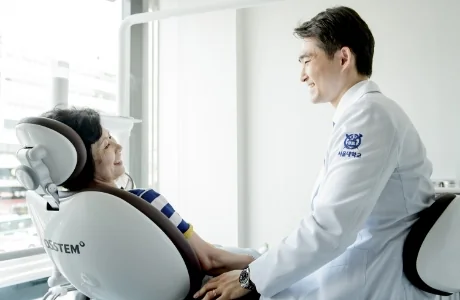
Procedures Done Under Sedation
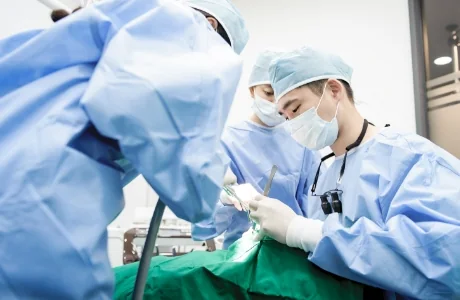
Sedation can be added to many procedures, depending on your health and the dentist's judgment. Common examples are implant placement, wisdom tooth removal, root canal treatment and longer sessions involving several teeth.
The fees for those procedures are separate. Implant prices are published, for example a MegaGen implant with PFM crown at ₩350,000, but the cost of wisdom tooth removal and root canal treatment is not published and is quoted after examination.
Short, simple procedures such as a check-up or scaling usually do not need sedation. If you want it for those, discuss it with the dentist; the decision depends on your needs, not only your preference.
Ask whether it is practical to combine several treatments in a single sedated visit. That can save time but depends on the plan.
- Implant placement
- Wisdom tooth removal
- Root canal treatment
- Longer restorative work
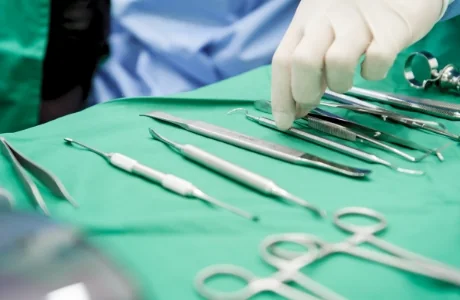
Before and After Sedation
The exact instructions depend on the type of sedation and your health, so follow what your dentist gives you rather than general advice.
Before your visit
Follow the instructions you are given about eating and drinking. Arrange for someone to accompany you, and wear comfortable clothing.
On the day
Tell the team about any change in your health or medicines. Sedation is given and the procedure goes ahead under local anesthesia.
Right afterward
You rest until you are steady enough to leave. Do not drive, and avoid important decisions or signing documents that day.
Recovery at home
Rest, drink fluids as advised and follow aftercare instructions. Call the clinic if you feel unwell.
Sedation Fees
Add the sedation fee to the fee for the procedure to get your total. Ask for the sum in writing before your appointment.
| Item | Published fee | Notes |
|---|---|---|
| Conscious sedation (general) | ₩300,000 | Separate from procedure fees |
| Conscious sedation (with an anesthesiologist) | ₩400,000 | Separate from procedure fees |
| MegaGen implant + PFM crown | ₩350,000 | PFM crown included |
| Osstem implant | ₩650,000 (standard) / ₩800,000 (premium) | Implant only; crown listed separately (PFM ₩350,000 / zirconia ₩450,000) |
| Root canal, extraction | Quoted after examination | Not published |
Prices are the published non-covered price list in KRW. Your written quote shows exactly which items your case needs. Confirm at consultation.
Questions to Ask at Your Consultation
Come prepared. The following questions help you understand the plan and make a choice that you are comfortable with.
It is perfectly acceptable to ask about the difference between general sedation and sedation with an anesthesiologist, and which one the clinic would suggest for your case.
- Which type of sedation do you recommend for me, and why?
- Who will monitor me during treatment?
- How long will I need to rest afterward?
- Do I need someone to accompany me?
- What will the total cost be, including the procedure?
English-speaking dentists in Seongnam
The clinic was founded by two brothers trained at Seoul National University who direct it together. Three further dentists hold Ministry of Health and Welfare specialist certifications. Full credentials →

Dr. Min Ji Choi
Dentist
- Board-certified specialist, Conservative Dentistry
- Board-certified specialist, Advanced General Dentistry
- Internship and residency, Jeonbuk National University Dental Hospital
- Master’s degree in Conservative Dentistry, Jeonbuk National University

Dr. Jin Young Choi
Dentist
- Board-certified specialist, Advanced General Dentistry
- Clinical training, Faculty of Dentistry, University of British Columbia, Canada
- Master’s degree, Kyungpook National University Graduate School of Dentistry
- BA in English Language and Literature, Korea University
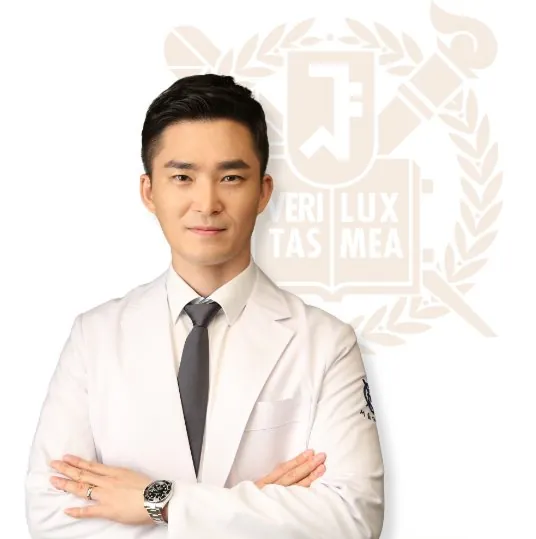
Dr. Hyun Sung Park
Clinic Director
- Co-founder and joint clinic director
- DDS, Seoul National University School of Dentistry
- Master’s degree, SNU Graduate School of Dentistry
- Former staff, Dept. of General Dentistry, SNU Dental Hospital
- Microendodontics Programme, SNU
- Course completion, UCLA, USA
- Member, UPenn Endodontics Study Club, USA
- Certified Invisalign Provider
- Osstem Implant AIC Programme
- Member, International Congress of Oral Implantologists (ICOI)
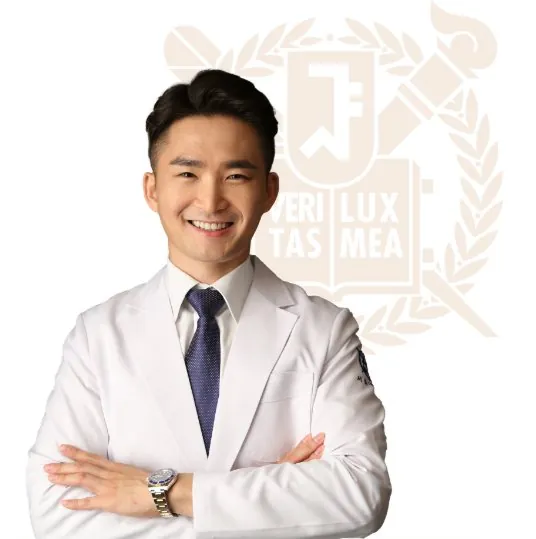
Dr. Hyeonjoon Park
Clinic Director
- Co-founder and joint clinic director
- DDS, Seoul National University School of Dentistry
- Master’s degree, SNU Graduate School of Dentistry
- Former staff, Dept. of General Dentistry, SNU Dental Hospital
- Affiliate Associate Fellow, American Academy of Implant Dentistry (AAID)
- Certified Invisalign Provider; leads orthodontic treatment
- Course completion, UCLA, USA
- Member, UPenn Endodontics Study Club, USA
- Member, International Congress of Oral Implantologists (ICOI)
- Member, Seoul Prime Orthodontic Study Club
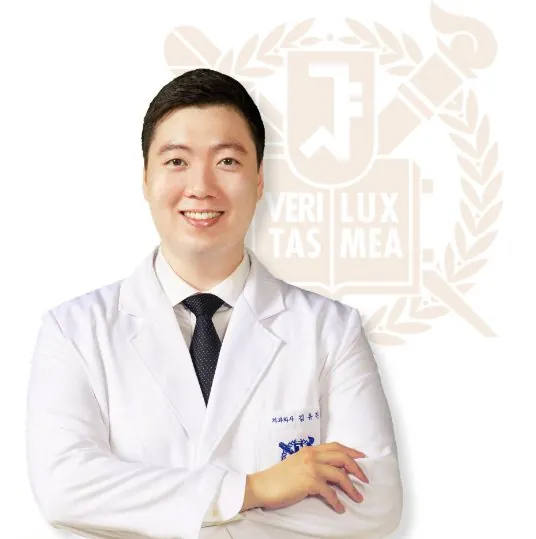
Dr. Yu Jin Kim
Dentist
- Board-certified specialist, Advanced General Dentistry (Ministry of Health and Welfare)
- Johns Hopkins University, USA
- Master’s degree, SNU Graduate School of Dentistry
- Former staff, Osaka University Dental Hospital, Japan
Video: our dentists explain
In Korean. On YouTube, turn on subtitles and choose Settings → Subtitles → Auto-translate → English.
What this video covers
The dentists explain that dental pain is hard to rank by treatment name, because it helps to separate pain felt before treatment, during treatment and after the anesthesia wears off. They note that the severe pain many people associate with root canal treatment often comes from the infected tooth beforehand, while procedures such as wisdom tooth removal and implants are done under local anesthesia and discomfort tends to come afterward. They explain why the same treatment, such as scaling or a filling, can feel different depending on the condition of the teeth and gums. For anxious patients, they suggest telling the dentist about fears and past experiences in advance, raising the left hand whenever something is uncomfortable, and discussing options such as sedation where appropriate.
- Tell the dental team about your anxiety and any past difficulty with anesthesia
- Raise your hand during treatment for pain, tension or simply a break; you don't need to endure it
- Delaying care can make the needed treatment larger; get symptoms checked early
Sedation Dentistry: frequently asked questions
How much is conscious sedation?
₩300,000 for general sedation and ₩400,000 for sedation with an anesthesiologist, on the published list.
Will I be asleep?
Conscious sedation leaves you able to respond, though many people feel very relaxed or drowsy. It is different from general anesthesia. Conscious sedation is different from general anesthesia: you keep breathing on your own and can respond, even though many people feel as if they dozed through treatment.
Can I have sedation for an implant?
It can be added, depending on your health and your dentist's judgment. Implant prices are separate, for example ₩350,000 for a MegaGen implant with PFM crown.
Can I drive afterward?
No. Arrange for someone to accompany you or plan another way home.
Is sedation safe?
Conscious sedation is generally considered safe when patients are selected and monitored carefully, but no sedation is risk-free. At the clinic, sedation with an anesthesiologist means a specialist in anesthesiology and pain medicine monitors your heart rate, blood pressure and oxygen saturation throughout. Your health history is reviewed before any sedation is planned.
Can older patients have sedation?
Yes, age alone does not rule out sedation. What matters is your general health and the medicines you take, which the dentist and anesthesia team review before planning sedation.
Can I have several treatments in one sedation visit?
Often, yes. If your dentist judges it suitable, several procedures can be done in one sedation visit, which can reduce the number of appointments. Each procedure is priced separately, the sedation fee is listed on its own line, and your written quote shows the total before treatment.
Is it available for children?
Please ask the clinic directly. Suitability is decided case by case after an examination.
Do I still need an injection?
Local anesthetic is still used for the treated area. Sedation adds relaxation.
Can I discuss this in English?
Yes. English-language consultation is available at +82-31-757-1525.
Ask about sedation
Tell us what worries you about treatment and which procedure you need. We will explain whether sedation fits and what it costs.
Visit us: Taepyeong Station Exit 5, Seongnam
2–3F, 1225 Seongnam-daero, Sujeong-gu, Seongnam-si, Gyeonggi-do (Taepyeong Station Exit 5)
| Monday – Wednesday | 09:30 – 20:30 |
|---|---|
| Thursday | 09:30 – 19:00 |
| Friday | 09:30 – 18:30 |
| Saturday | 09:30 – 13:00 |
| Sunday | Closed |
| Public holidays | Open |
| Lunch break | None — continuous hours |
Parking garage in the building; parking benefits for patients receiving treatment.