
Preparing for Conscious Sedation at the Dentist
Published by The Seoul Dental Clinic · Meet the dentists
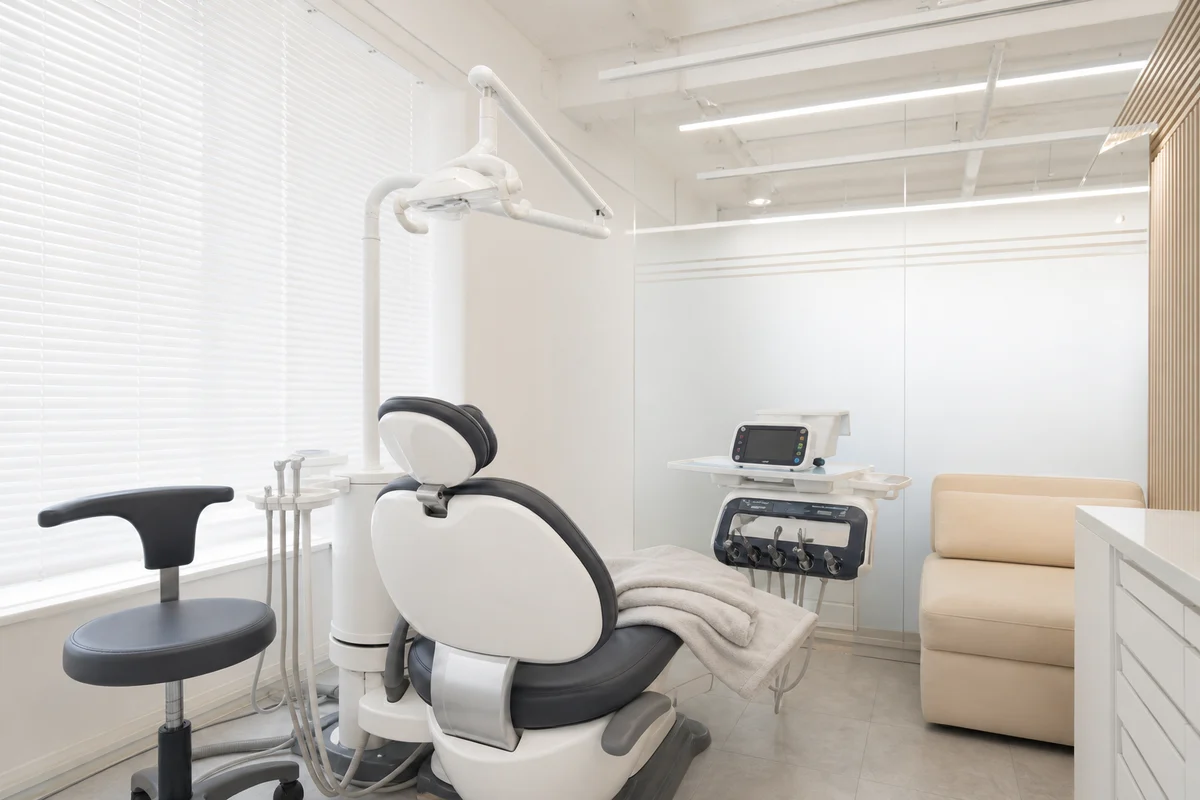
Before conscious sedation you will usually be asked to stop eating several hours beforehand, review your medicines with the dentist, and arrange for someone to take you home. These steps exist because sedatives relax the reflexes that normally protect your airway and leave you drowsy for hours afterwards. Follow the exact instructions you are given, since they depend on your health and the time of your appointment.
Why preparation matters
Conscious sedation uses medicine to make you calm and relaxed while you stay able to breathe on your own and respond to the dentist. It is different from general anesthesia, where a patient is fully unconscious. Local anesthetic is still used to numb the treated area, so sedation adds calm rather than replacing the numbing.
Because sedatives relax the body, the reflexes that normally make you cough or swallow when something goes the wrong way are weaker than usual. If there is food in your stomach and you feel sick, stomach contents could enter the airway. This is called aspiration, and although it is uncommon, it can cause a serious lung infection. Dental treatment is done lying back with water in the mouth, which is another reason the rules are taken seriously.
Sedatives also affect alertness and judgement for some hours after treatment, which is why you need someone to take you home and should not drive.
At The Seoul Dental Clinic, sedation can be provided with a specialist in anesthesiology and pain medicine, who monitors heart rate, blood pressure and oxygen saturation during treatment. The preparation steps below still matter, because they are what keeps that monitoring uneventful.
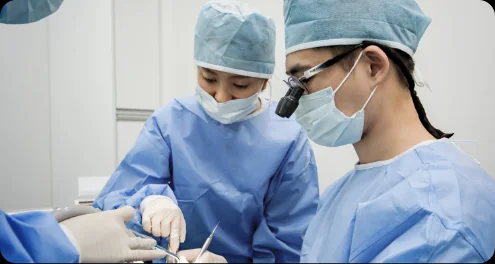
Fasting: what it usually means
You will be told a specific time after which you should not eat. For food, this is usually a window of several hours, often six or more. For a morning appointment, that often means a light evening meal the night before and nothing to eat in the morning. Fatty or heavy meals take longer to digest, so keep the evening meal light.
Clear drinks such as water are sometimes allowed until closer to the appointment. Milk, coffee with milk and juice with pulp count as food. Ask before chewing gum or sucking sweets. Avoid alcohol the day before, as it can interact with sedative medicines.
If you forget and eat, tell the clinic before you come in. Rescheduling is inconvenient, but it is the safer choice, and the team would much rather know.

Medicines and health conditions
Do not stop or skip regular medicines on your own. Some, such as many blood pressure medicines, are usually taken as normal with a small sip of water. Others need a plan. Diabetes medicines and insulin may need adjusting because fasting can cause low blood sugar. Blood-thinning medicines are discussed with your dentist and, where needed, the doctor who prescribed them.
Tell the team about sleeping tablets, anti-anxiety medicines and other sedatives, as they affect how much sedative is appropriate. Mention any allergies and any past reaction to anesthesia or sedation.
Heart or lung disease, heavy snoring or sleep apnea can affect breathing under sedation, so mention them early. If you are pregnant, might be pregnant or are breastfeeding, say so, because the timing or method of treatment may need to change. A cold, fever or cough on the day may also mean postponing.
- A full list of medicines and supplements, or the packets themselves
- Allergies and previous reactions to anesthesia
- Heart or lung conditions, snoring or sleep apnea
- Diabetes and how you manage it
- Pregnancy or breastfeeding
Conscious sedation and general anesthesia
People often call any sedation being put under, but conscious sedation is a different state.
| Conscious sedation | General anesthesia | |
|---|---|---|
| Awareness | Able to respond when spoken to | Unconscious |
| Breathing | Usually breathing on your own | Often needs airway support |
| Pain control | Local anesthetic used as well | Controlled by anesthetic drugs |
| Fasting beforehand | Required | Required |
| Going home | With a companion; no driving that day | With a companion; no driving that day |
General anesthesia is not offered on the clinic's published list; it is shown here only for comparison.
On the day, step by step
The order below is typical at a dental clinic. Your own instructions come first.
Arrive with your companion
Wear comfortable clothes with loose sleeves. Remove nail polish or gel nails and contact lenses if asked, since a finger sensor is often used for monitoring.
Final check
The team confirms when you last ate and drank, any changes in your health or medicines, and how you are feeling.
Sedation and treatment
The sedative is given and your breathing, pulse and oxygen level are watched. Local anesthetic numbs the area before treatment begins.
Recovery
You rest until you are steady on your feet and alert enough to leave. This can take a while, so do not plan a tight schedule.
Home with your companion
Go home with your companion. Start with small sips of water once you feel clear-headed, then soft food as advised.
After sedation and costs
For the rest of the day, do not drive, operate machinery, drink alcohol, sign important documents or make big decisions. Going straight back to work is not recommended. Plan a quiet day at home.
Feeling sleepy for several hours is normal, and some people feel briefly queasy. Contact the clinic if drowsiness lasts much longer than expected or keeps getting worse, if vomiting is repeated, or if anything else worries you. Seek emergency help at once for any difficulty breathing.
If you cannot arrange a companion, tell the clinic when you book so the plan can be discussed; coming alone is not a safe option. At The Seoul Dental Clinic, conscious sedation is listed at ₩300,000 (general) and ₩400,000 (with an anesthesiologist), added to the fee for the treatment itself. The clinic is open Monday to Wednesday 09:30 to 20:30, Thursday 09:30 to 19:00, Friday 09:30 to 18:30 and Saturday 09:30 to 13:00, which helps if you want a morning slot to keep the fasting period short.
Questions to ask before your sedation visit
Sedation is often chosen for implant surgery, wisdom tooth removal or long sessions involving several teeth, and by people with strong dental anxiety or a sensitive gag reflex. Whatever the reason, it is worth going through the practical details at your consultation so nothing on the day is a surprise.
Write down your instructions or ask for them in writing, including the exact fasting times. If anything changes between the consultation and the appointment, such as a new prescription or a cold, call the clinic before you come in.
- What exact time should I stop eating, and until when can I drink water?
- Which of my medicines should I take on the morning of treatment?
- Which type of sedation do you suggest for me, and why?
- How long should my companion expect to wait?
- What is the total cost, including the treatment itself?
Video: our dentists explain
In Korean. On YouTube, turn on subtitles and choose Settings → Subtitles → Auto-translate → English.
What this video covers
The dentists explain that dental pain is hard to rank by treatment name, because it helps to separate pain felt before treatment, during treatment and after the anesthesia wears off. They note that the severe pain many people associate with root canal treatment often comes from the infected tooth beforehand, while procedures such as wisdom tooth removal and implants are done under local anesthesia and discomfort tends to come afterward. They explain why the same treatment, such as scaling or a filling, can feel different depending on the condition of the teeth and gums. For anxious patients, they suggest telling the dentist about fears and past experiences in advance, raising the left hand whenever something is uncomfortable, and discussing options such as sedation where appropriate.
- Tell the dental team about your anxiety and any past difficulty with anesthesia
- Raise your hand during treatment for pain, tension or simply a break; you don't need to endure it
- Delaying care can make the needed treatment larger; get symptoms checked early
Frequently asked questions
How long should I fast before conscious sedation?
You will be given an exact time. For food it is usually several hours, often six or more; follow the instruction for your appointment.
Can I drink water before sedation?
Clear water is sometimes allowed until a few hours before. Milk, coffee with milk and juice count as food. Check your instructions.
Should I take my usual medicines?
Do not stop them on your own. Some are taken as normal and others, such as insulin or blood thinners, may need a plan agreed in advance.
Can I go back to work after sedation?
It is not recommended. Plan to rest at home for the rest of the day and do not drive.
Will I feel pain under sedation?
Local anesthetic is used as well, so the treated area is numbed. Sedation reduces anxiety rather than blocking pain on its own.
Can I come alone?
No. You need someone to take you home. If that is difficult, discuss it with the clinic before booking.
English-speaking dentists in Seongnam
The clinic was founded by two brothers trained at Seoul National University who direct it together. Three further dentists hold Ministry of Health and Welfare specialist certifications. Full credentials →
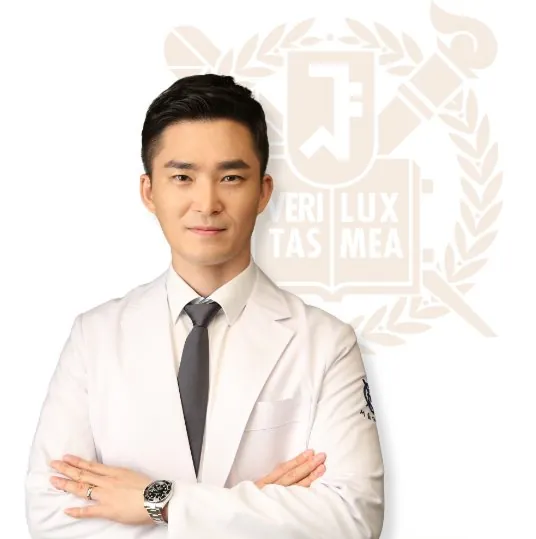
Dr. Hyun Sung Park
Clinic Director
- Co-founder and joint clinic director
- DDS, Seoul National University School of Dentistry
- Master’s degree, SNU Graduate School of Dentistry
- Former staff, Dept. of General Dentistry, SNU Dental Hospital
- Microendodontics Programme, SNU
- Course completion, UCLA, USA
- Member, UPenn Endodontics Study Club, USA
- Certified Invisalign Provider
- Osstem Implant AIC Programme
- Member, International Congress of Oral Implantologists (ICOI)

Dr. Hyeonjoon Park
Clinic Director
- Co-founder and joint clinic director
- DDS, Seoul National University School of Dentistry
- Master’s degree, SNU Graduate School of Dentistry
- Former staff, Dept. of General Dentistry, SNU Dental Hospital
- Affiliate Associate Fellow, American Academy of Implant Dentistry (AAID)
- Certified Invisalign Provider; leads orthodontic treatment
- Course completion, UCLA, USA
- Member, UPenn Endodontics Study Club, USA
- Member, International Congress of Oral Implantologists (ICOI)
- Member, Seoul Prime Orthodontic Study Club
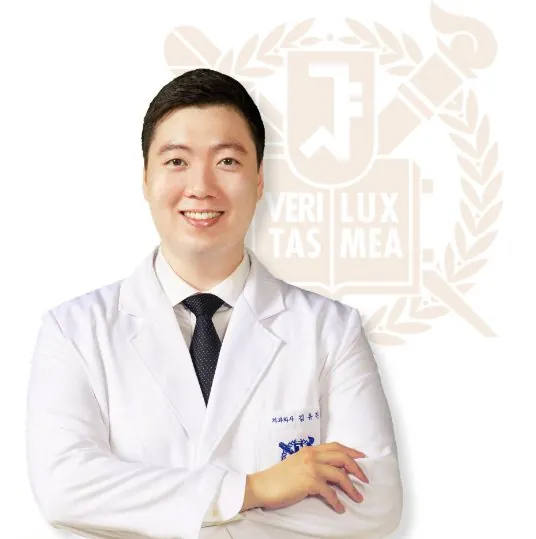
Dr. Yu Jin Kim
Dentist
- Board-certified specialist, Advanced General Dentistry (Ministry of Health and Welfare)
- Johns Hopkins University, USA
- Master’s degree, SNU Graduate School of Dentistry
- Former staff, Osaka University Dental Hospital, Japan

Dr. Min Ji Choi
Dentist
- Board-certified specialist, Conservative Dentistry
- Board-certified specialist, Advanced General Dentistry
- Internship and residency, Jeonbuk National University Dental Hospital
- Master’s degree in Conservative Dentistry, Jeonbuk National University

Dr. Jin Young Choi
Dentist
- Board-certified specialist, Advanced General Dentistry
- Clinical training, Faculty of Dentistry, University of British Columbia, Canada
- Master’s degree, Kyungpook National University Graduate School of Dentistry
- BA in English Language and Literature, Korea University
Considering sedation for your treatment?
Book a consultation in Taepyeong, Seongnam, to check whether sedation suits you and get preparation instructions in English.