
How Korean Dental Sterilisation Works
Published by The Seoul Dental Clinic · Meet the dentists
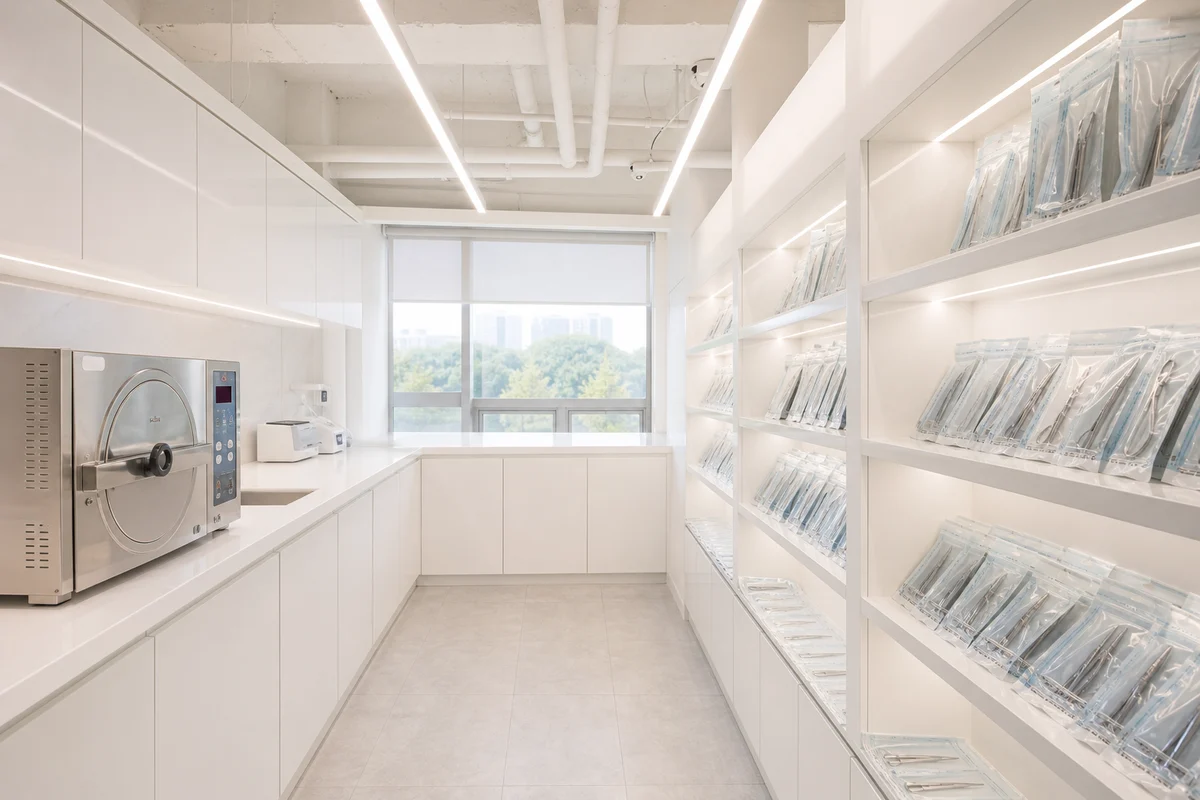
Safe dentistry relies on cleaning and sterilising reusable instruments, using single-use items once, and keeping treatment surfaces clean between patients. This page explains the general process and the questions you can ask. It does not describe the clinic's internal protocols, which you should ask about directly.
What this page covers
Patients from abroad often worry about hygiene in a new country. That is reasonable and it is fine to ask. Below is how infection control generally works in dental practice, plus practical questions you can raise. It is general information, not a statement about a particular clinic's procedures.
Dental clinics in Korea operate within national health rules, but specifics vary by clinic, so ask rather than assume.
The guiding principle is straightforward: nothing that touched one patient should be used on another until it has been properly cleaned and sterilised, and anything meant for one use should be thrown away.
How instruments are generally processed
Different clinics may use slightly different equipment and routines, so the exact method is something to confirm.
Cleaning
Used instruments are rinsed and cleaned to remove blood and debris, because sterilising works only on clean items.
Packaging
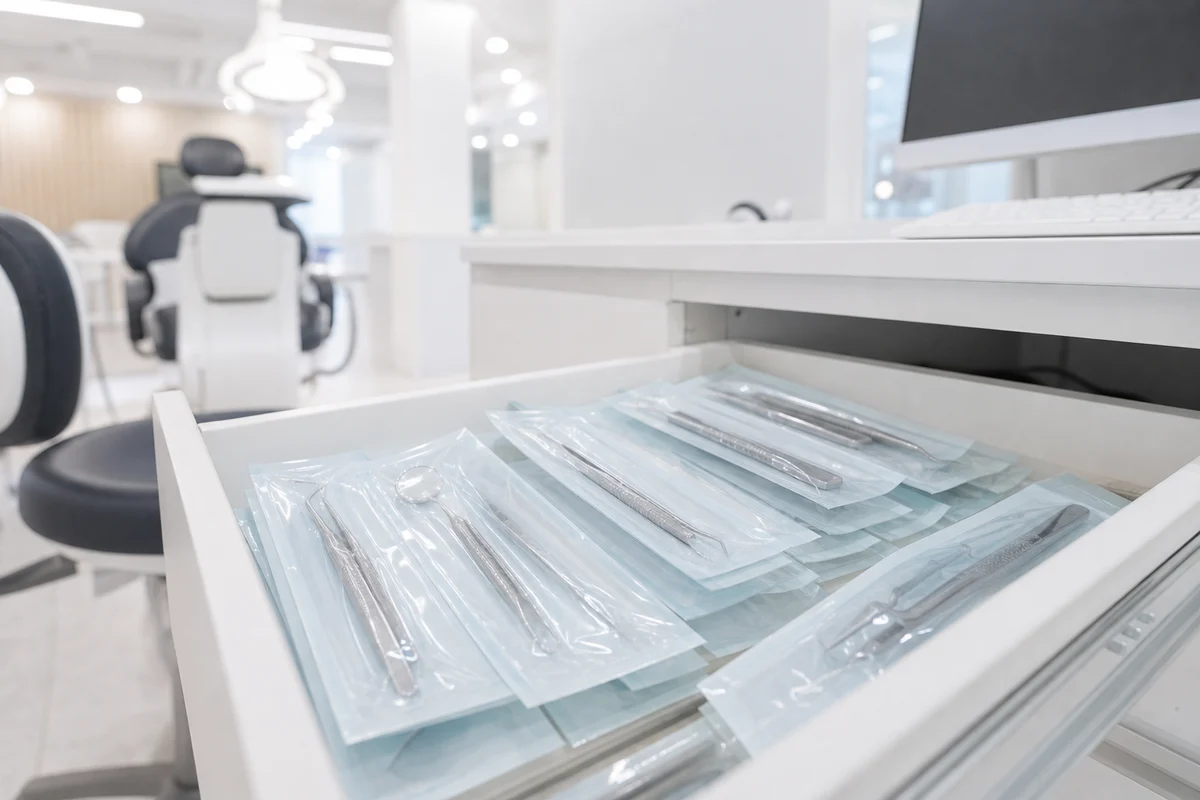
Cleaned instruments are typically sealed in pouches or cassettes so they stay sterile until use.
Sterilising
Reusable instruments are normally heat-sterilised, most often in a steam autoclave, following the manufacturer's directions.
Storage
Sterile packs are kept dry and closed until the moment they are opened for a patient.
Single-use and surface hygiene
Many items are designed to be used once and then discarded. These typically include needles, anaesthetic cartridges, gloves, masks, and disposable covers or cups. Handpieces and other reusable parts need processing between patients.
Chairs, trays and touch points are wiped or covered between visits. You can watch for new gloves, fresh packaging being opened and a clean tray set-up.
Dental unit water lines and suction systems also need routine maintenance. This is part of the background routine that you will not see, which is why asking how the clinic manages infection control as a whole is more useful than checking a single item.
If you have a condition that affects healing or immunity, tell the dentist before treatment. They can adjust the plan and the precautions to suit.
Simple things you can observe
These are signs, not proof, but they are a reasonable starting point.
| What to look for | Why it matters |
|---|---|
| Staff wear gloves and masks and change gloves between tasks | Reduces transfer between patients |
| Instruments come from sealed pouches | Shows they were packaged after processing |
| Needles and cartridges are opened in front of you | Indicates single-use items |
| Surfaces look clean and tidy | A basic sign of routine |
Questions you can ask the clinic
There is no need to feel awkward. Good clinics expect these questions and answer them calmly.
- How are instruments cleaned and sterilised between patients?
- Which items are single-use?
- Is sterilisation done on site?
- How are surfaces and handpieces handled?
- Is there a written infection-control routine you can describe to me?
If something looks wrong
Speak up during the visit. You may pause treatment, ask for new instruments, or leave. If you are not comfortable after raising the concern, you are free to get a second opinion elsewhere. Careful practices welcome questions, and a clear answer is a good sign.
Frequently asked questions
Is dentistry in Korea safe for foreigners?
Dental clinics operate under national health regulations. The practical step is to ask your clinic how it handles infection control.
Do you reuse needles?
Needles are designed for single use in general dental practice. Confirm with the clinic if you want to be sure.
Can I ask to see the sterilised instruments?
You can ask. Watching a pouch being opened is normally possible.
Where can I get an English answer about this clinic?
The clinic states English-language support is available. Call +82-31-757-1525 or ask at your consultation.
English-speaking dentists in Seongnam
The clinic was founded by two brothers trained at Seoul National University who direct it together. Three further dentists hold Ministry of Health and Welfare specialist certifications. Full credentials →
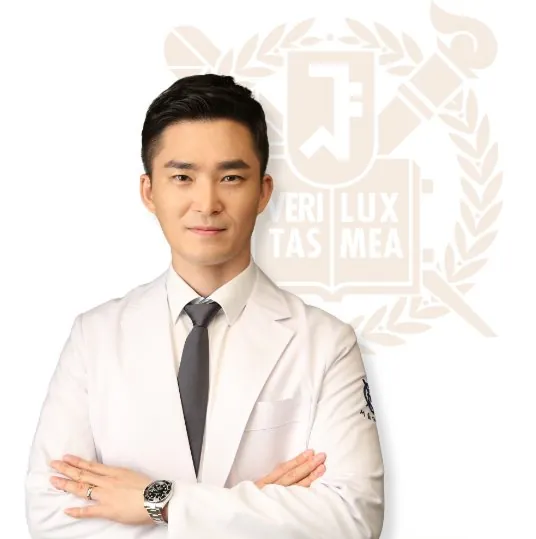
Dr. Hyun Sung Park
Clinic Director
- Co-founder and joint clinic director
- DDS, Seoul National University School of Dentistry
- Master’s degree, SNU Graduate School of Dentistry
- Former staff, Dept. of General Dentistry, SNU Dental Hospital
- Microendodontics Programme, SNU
- Course completion, UCLA, USA
- Member, UPenn Endodontics Study Club, USA
- Certified Invisalign Provider
- Osstem Implant AIC Programme
- Member, International Congress of Oral Implantologists (ICOI)
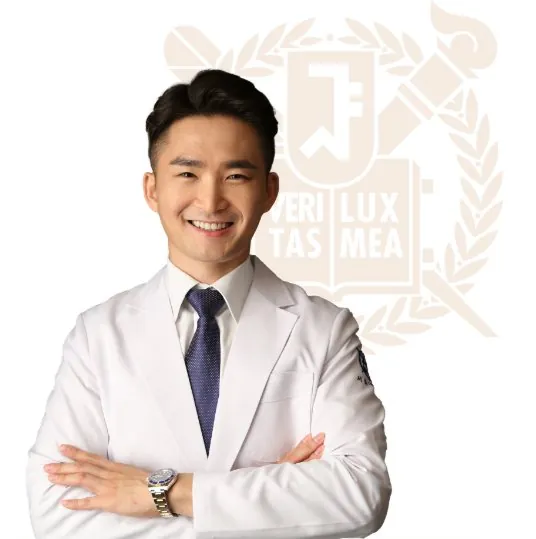
Dr. Hyeonjoon Park
Clinic Director
- Co-founder and joint clinic director
- DDS, Seoul National University School of Dentistry
- Master’s degree, SNU Graduate School of Dentistry
- Former staff, Dept. of General Dentistry, SNU Dental Hospital
- Affiliate Associate Fellow, American Academy of Implant Dentistry (AAID)
- Certified Invisalign Provider; leads orthodontic treatment
- Course completion, UCLA, USA
- Member, UPenn Endodontics Study Club, USA
- Member, International Congress of Oral Implantologists (ICOI)
- Member, Seoul Prime Orthodontic Study Club
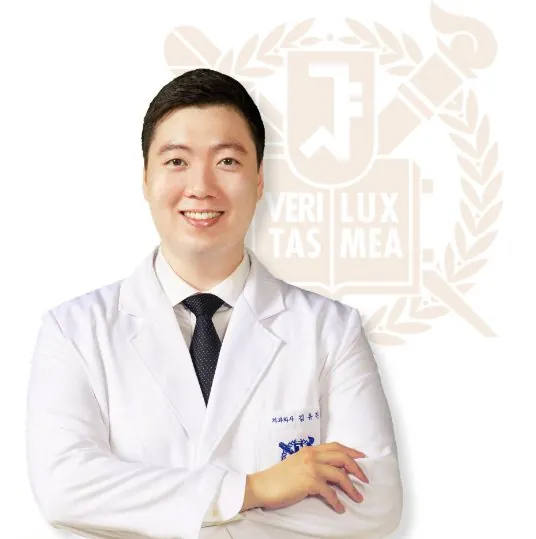
Dr. Yu Jin Kim
Dentist
- Board-certified specialist, Advanced General Dentistry (Ministry of Health and Welfare)
- Johns Hopkins University, USA
- Master’s degree, SNU Graduate School of Dentistry
- Former staff, Osaka University Dental Hospital, Japan

Dr. Min Ji Choi
Dentist
- Board-certified specialist, Conservative Dentistry
- Board-certified specialist, Advanced General Dentistry
- Internship and residency, Jeonbuk National University Dental Hospital
- Master’s degree in Conservative Dentistry, Jeonbuk National University
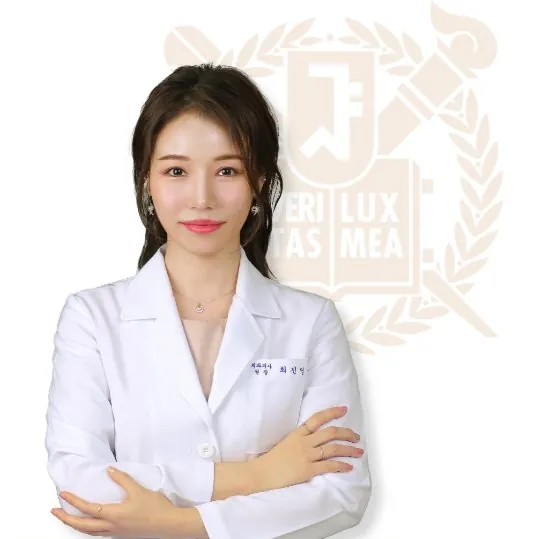
Dr. Jin Young Choi
Dentist
- Board-certified specialist, Advanced General Dentistry
- Clinical training, Faculty of Dentistry, University of British Columbia, Canada
- Master’s degree, Kyungpook National University Graduate School of Dentistry
- BA in English Language and Literature, Korea University
Related treatments and guides
Ask us directly
If hygiene is a concern, raise it before treatment. Staff at the Sujin-dong clinic near Taepyeong Station can explain their routine in English.