
Save It or Pull It? Root Canal vs Extraction
Published by The Seoul Dental Clinic · Meet the dentists
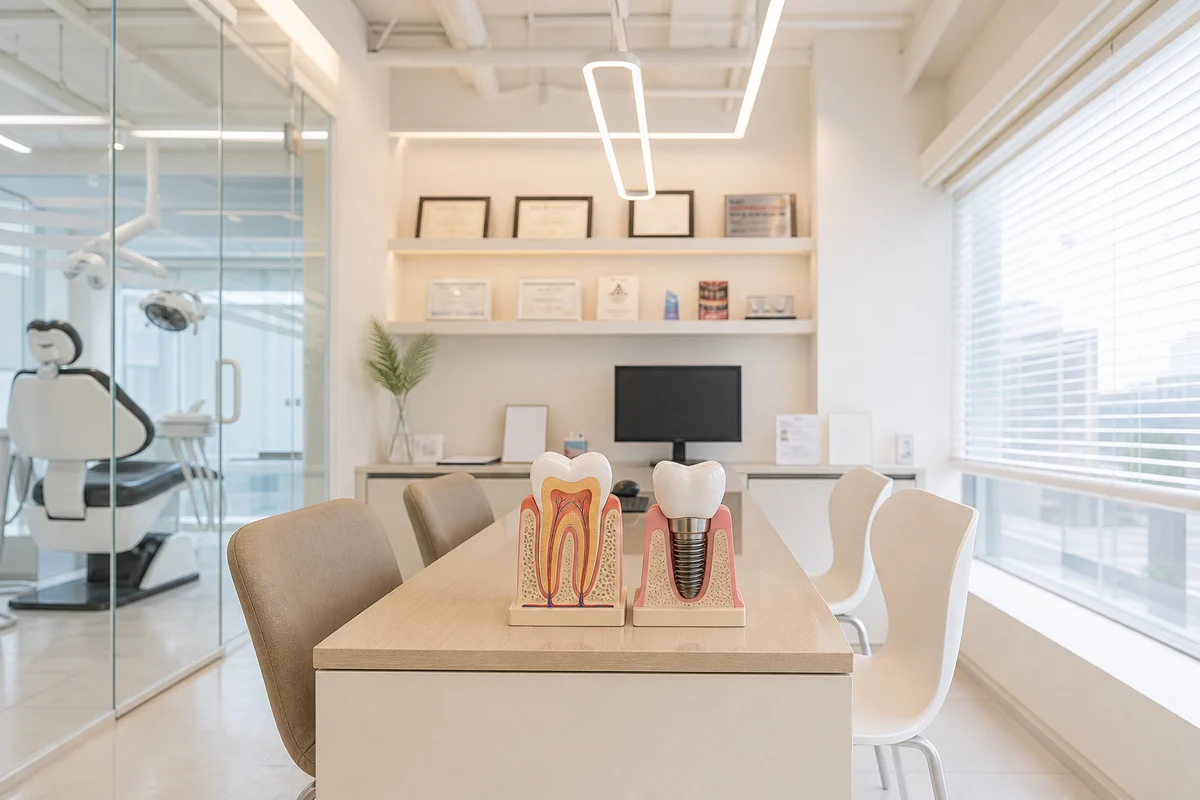
Dentists usually try to keep a natural tooth when it can be restored, and root canal treatment is one way to do that. Extraction is considered when the tooth cannot be saved or the cost and risk of keeping it outweigh the benefit. Fees for both are quoted after examination.
Two different goals
A root canal removes the infected or damaged nerve tissue inside the tooth, cleans the canals, and seals them, so the tooth stays in your mouth. Extraction removes the tooth entirely, after which you decide whether and how to replace it.
Neither is a failure. The aim is a stable, comfortable mouth, and the right answer depends on the tooth itself.
If you are travelling, tell the clinic early. A root canal usually needs more than one visit and a crown follows, whereas extraction may be quicker but may lead to a replacement plan.
Comparing the two
Core build-up or post is published at ₩100,000, and crowns range from ₩300,000 (metal) and ₩400,000 (PFM) to ₩450,000 (zirconia, back tooth) or ₩550,000 (zirconia, front tooth). Root canal and extraction fees are not on the published list, so ask for a written quote.
| Root canal | Extraction | |
|---|---|---|
| Natural tooth | Kept | Removed |
| Usually followed by | Core build-up (₩100,000) and a crown | Healing, then optional replacement |
| Replacement needed | No | Often, such as an implant or bridge |
| Published price | Not published; quoted after examination | Not published; quoted after examination |
Confirm all prices at consultation. VAT may apply.
What dentists look at
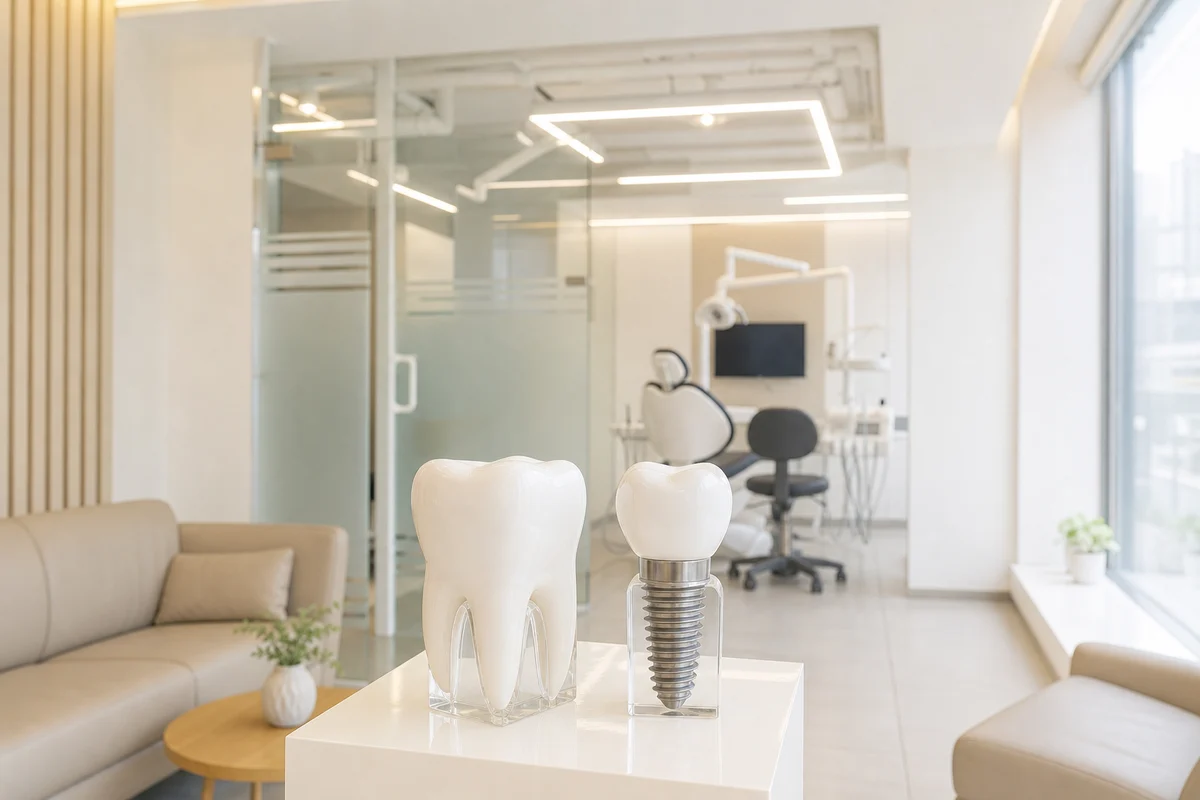
The decision rests on several factors: how much sound tooth remains above the gum, whether a crack runs into the root, how much bone supports the tooth, whether infection has spread, and whether the tooth will realistically bear a crown.
Imaging is essential. The cost of a scan is not published, so ask what is needed and what it costs before agreeing.
Your own priorities count. Some patients want to keep every natural tooth possible; others prefer a simpler, shorter route. Say which applies, and ask the dentist to explain the realistic outlook for each option on your tooth, including the chance that further work may be needed.
Why saving a tooth is often considered first
A natural tooth keeps its ligament and bone support, helps neighbouring teeth stay in position, and does not need a separate replacement. After a root canal, the tooth typically needs a crown, particularly a back tooth, because it can be more brittle.
But a root canal is not a promise of permanence. Teeth that crack or decay further may still be lost later, and your dentist should say so.
When extraction is the sensible choice
Extraction may be advised when the tooth is split, the root is badly damaged, bone support has gone, or restoring it would be unreliable. Wisdom teeth are a separate topic and are often removed for reasons such as position or repeated infection.
After removal, ask about replacement. A MegaGen implant with a PFM crown is published at ₩350,000; other implant brands are listed separately from the crown, and a bridge or denture are other routes. Leaving a gap can let neighbouring teeth drift, so decide with your dentist rather than ignoring it.
What to do if you have a painful tooth
Contact the clinic
Describe symptoms: pain on biting, swelling, heat or cold sensitivity. Do not delay if there is swelling or fever.
Get examined and imaged
Your dentist checks the tooth and takes the images required.
Hear both options
Ask what saving the tooth involves, what extraction involves, and what comes after each.
Get a written quote
Confirm what is included before you decide.
Video: our dentists explain
In Korean. On YouTube, turn on subtitles and choose Settings → Subtitles → Auto-translate → English.
What this video covers
The dentists explain that a loose tooth is a symptom rather than an automatic reason for extraction, and that the treatment depends on whether the cause is gum disease, excess biting force or clenching, inflammation or an injury. They note that younger adults can also experience loose teeth and advise against repeatedly testing the tooth with the tongue or fingers. They list warning signs that call for a prompt visit, such as sudden worsening, pain when chewing, swollen or bleeding gums, pus, or new gaps between teeth. They also explain that extraction may be considered when bone loss or infection is advanced or the root is damaged, and give simple home precautions.
- Avoid chewing hard or sticky food on the loose tooth and stop wiggling it
- Keep brushing and caring for the gums as usual
- See a dentist promptly if looseness worsens suddenly or comes with pain, swelling, bleeding or pus
Frequently asked questions
Is a root canal painful?
The procedure is done with local anaesthetic. Soreness afterwards varies from person to person, and your dentist will explain what to expect.
Do I always need a crown after a root canal?
Often yes, especially for back teeth, but your dentist decides based on the tooth.
Can an extracted tooth wait to be replaced?
Sometimes, but leaving it may cause neighbouring teeth to shift. Ask for a plan.
How much do they cost?
Neither root canal nor extraction pricing is published, so a quote is given after examination.
English-speaking dentists in Seongnam
The clinic was founded by two brothers trained at Seoul National University who direct it together. Three further dentists hold Ministry of Health and Welfare specialist certifications. Full credentials →

Dr. Hyun Sung Park
Clinic Director
- Co-founder and joint clinic director
- DDS, Seoul National University School of Dentistry
- Master’s degree, SNU Graduate School of Dentistry
- Former staff, Dept. of General Dentistry, SNU Dental Hospital
- Microendodontics Programme, SNU
- Course completion, UCLA, USA
- Member, UPenn Endodontics Study Club, USA
- Certified Invisalign Provider
- Osstem Implant AIC Programme
- Member, International Congress of Oral Implantologists (ICOI)

Dr. Hyeonjoon Park
Clinic Director
- Co-founder and joint clinic director
- DDS, Seoul National University School of Dentistry
- Master’s degree, SNU Graduate School of Dentistry
- Former staff, Dept. of General Dentistry, SNU Dental Hospital
- Affiliate Associate Fellow, American Academy of Implant Dentistry (AAID)
- Certified Invisalign Provider; leads orthodontic treatment
- Course completion, UCLA, USA
- Member, UPenn Endodontics Study Club, USA
- Member, International Congress of Oral Implantologists (ICOI)
- Member, Seoul Prime Orthodontic Study Club
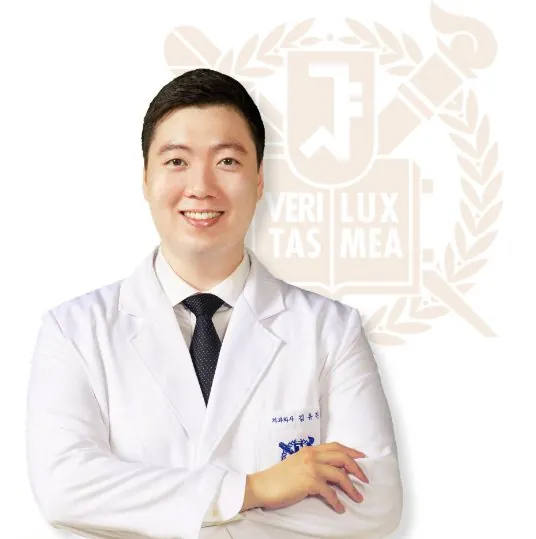
Dr. Yu Jin Kim
Dentist
- Board-certified specialist, Advanced General Dentistry (Ministry of Health and Welfare)
- Johns Hopkins University, USA
- Master’s degree, SNU Graduate School of Dentistry
- Former staff, Osaka University Dental Hospital, Japan

Dr. Min Ji Choi
Dentist
- Board-certified specialist, Conservative Dentistry
- Board-certified specialist, Advanced General Dentistry
- Internship and residency, Jeonbuk National University Dental Hospital
- Master’s degree in Conservative Dentistry, Jeonbuk National University

Dr. Jin Young Choi
Dentist
- Board-certified specialist, Advanced General Dentistry
- Clinical training, Faculty of Dentistry, University of British Columbia, Canada
- Master’s degree, Kyungpook National University Graduate School of Dentistry
- BA in English Language and Literature, Korea University
Get a toothache checked
If you have a painful tooth, contact the clinic. It is open Monday to Wednesday 09:30–20:30, Thursday 09:30–19:00, Friday 09:30–18:30 and Saturday 09:30–13:00, closed on Sundays and open on public holidays. English-language consultation is available near Taepyeong Station.