
Scaling vs Gum Treatment: Which Do Your Gums Need?
Published by The Seoul Dental Clinic · Meet the dentists
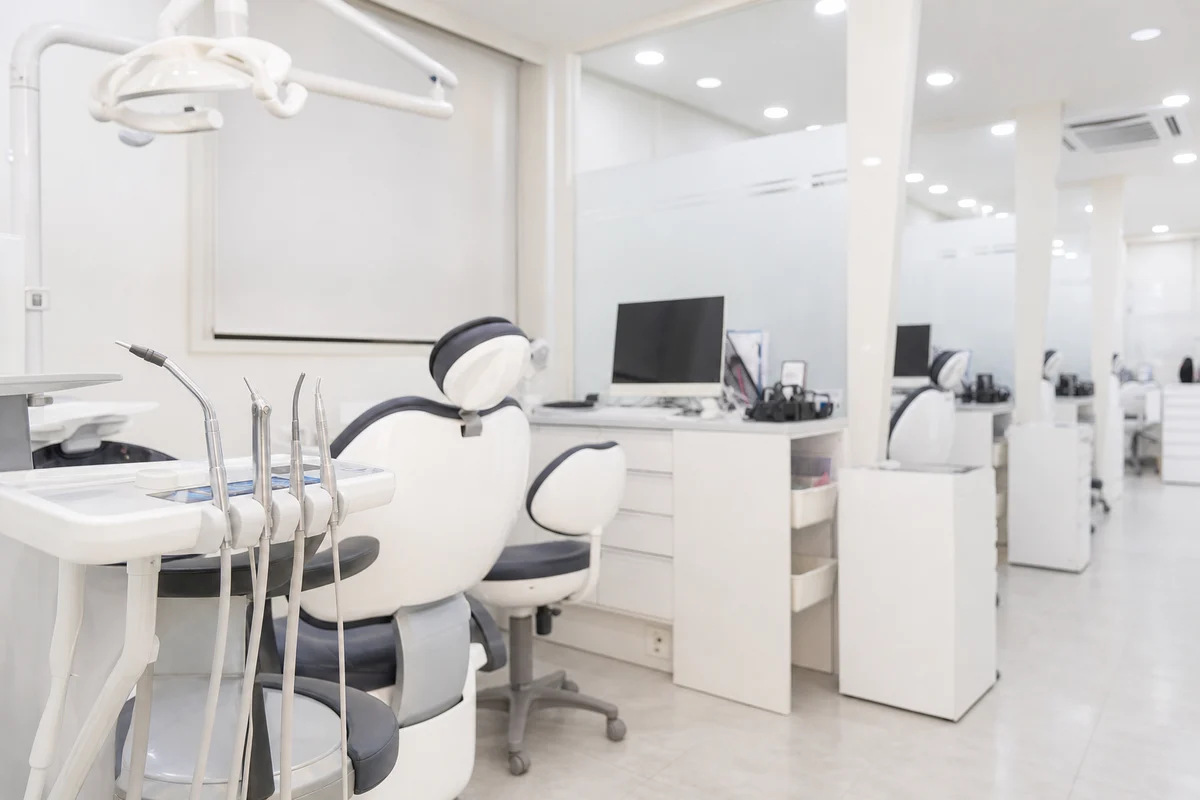
Scaling removes plaque and tartar from the tooth surfaces and just under the gumline. Insurance-covered scaling follows national insurance rules, and additional (non-covered) scaling is published at ₩50,000. Gum treatment is a broader term for managing gum disease that has gone deeper. Which you need is decided after your dentist examines your gums.
Same area, different depth
Both treatments deal with bacteria and hardened deposits around your teeth. Scaling is the routine cleaning most people know. Gum treatment is a plan for gums that are inflamed or have lost attachment, where cleaning needs to reach more deeply and often needs follow-up.
Think of scaling as maintenance and gum treatment as care for an established problem.
The two are not rivals. Many gum treatment plans begin with a cleaning, and many people go back to routine scaling once their gums are stable.
Side by side
| Scaling | Gum treatment | |
|---|---|---|
| Purpose | Remove plaque and tartar, support healthy gums | Manage gum disease below the gumline |
| Typical sign | Tartar, mild bleeding, stained teeth | Persistent bleeding, swelling, gum recession, loose feeling |
| Visits | Usually one | Often more than one, with review |
| Published price | Insurance-covered scaling per national rules; additional scaling ₩50,000 | Not published; quoted after examination |
Confirm all prices at consultation.
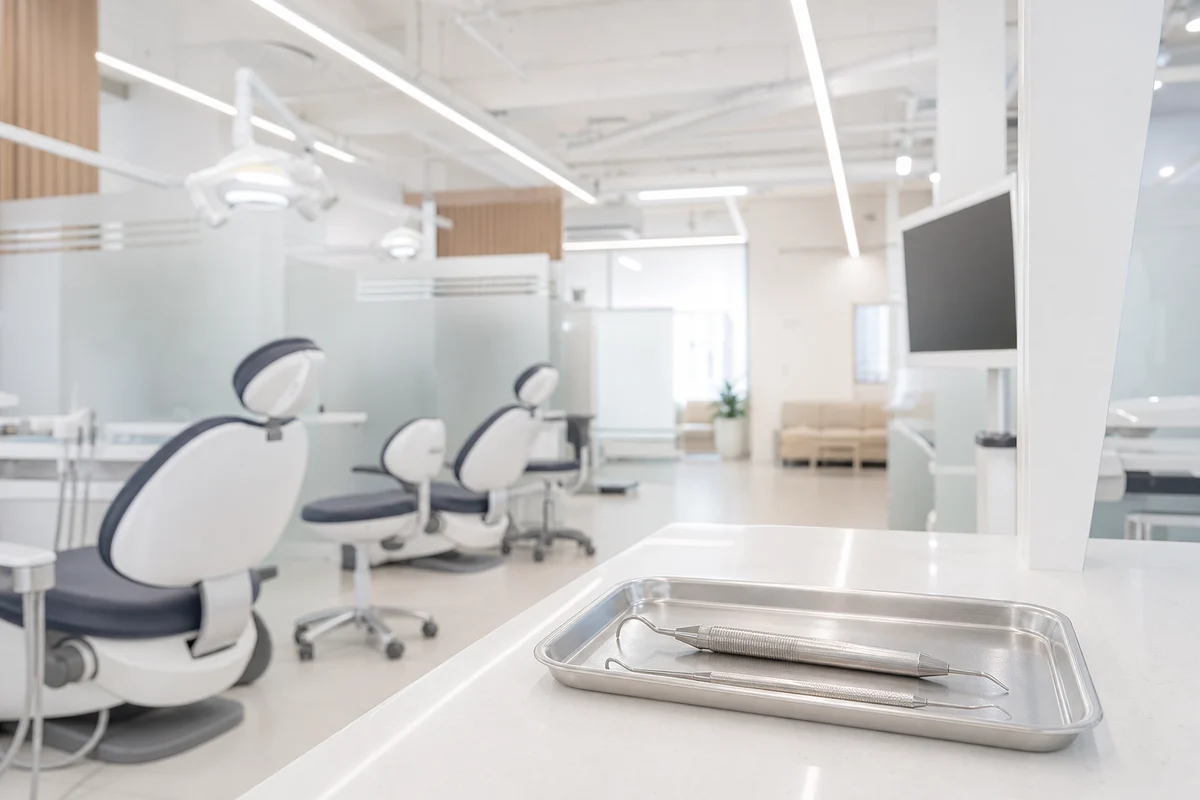
Signs that point to scaling
Gums that bleed when you brush, visible yellow tartar near the gumline, and breath that is worse than usual can all reflect build-up. Many people have these without any deeper disease. A regular cleaning often settles gums that were only mildly irritated, along with better home care.
If you have not had a cleaning for a long time, say so. Your dentist may suggest starting with scaling and rechecking the gums afterwards.
Scaling covered by national health insurance follows the insurance rules. Scaling beyond that is non-covered and published at ₩50,000, and the clinic confirms which applies at your visit.
Signs that point to gum treatment
Gums that stay swollen or red, that bleed easily despite cleaning, that have pulled back from the teeth, or teeth that feel less firm than before deserve a proper gum assessment. Your dentist measures the space between tooth and gum and may take images to judge the bone.
If gum disease is found, the plan may include deeper cleaning, a home-care routine, and scheduled reviews. How many visits and what cost depends on the findings, so a quote is given after examination.
What happens at the first visit
History
You describe bleeding, pain, medications and habits such as smoking.
Gum check
The dentist examines the gums and teeth and measures where needed.
Diagnosis in plain words
You are told whether you need routine scaling or a gum plan.
Plan and cost
You receive the proposed steps and the price before starting.
Looking after your gums between visits
Brush twice a day, clean between teeth daily, and do not ignore bleeding, since it is a signal rather than a reason to brush less. Smoking and uncontrolled diabetes are known to affect gum health, so tell your dentist about them.
Ask for a recommended interval for check-ups. It differs from person to person and cannot be set without seeing your gums.
If you live in Korea only for a posting or a study period, plan a cleaning early in your stay so that any gum concerns can be followed up while you are still nearby.
Keep itemised receipts if you will claim on overseas insurance. English-language support for insurance paperwork is stated as available.
Video: our dentists explain
In Korean. On YouTube, turn on subtitles and choose Settings → Subtitles → Auto-translate → English.
What this video covers
The dentists explain that orthodontic treatment for people in their 50s and 60s is often about function and easier cleaning rather than appearance, for example when front teeth have started to spread or flare, or when teeth tip into the gap left by a missing tooth. They describe how bone loss from gum disease can let teeth drift (pathologic tooth migration), and stress that orthodontics moves teeth rather than tightening loose ones, so the cause of looseness and the condition of the gums and bone must be assessed first and gum treatment completed before teeth are moved. They also explain that a missing tooth can cause neighboring teeth to tip and opposing teeth to over-erupt, sometimes leaving too little room for an implant, which orthodontics can help reopen or close, and that moving teeth does not by itself bring receded gums back. Clear aligners are commonly used at this age because they can be removed for normal brushing, and the dentists emphasize that gum, tooth, and bone condition matters more than age.
- Gum disease and bone loss can cause teeth to spread or flare later in life
- Gum inflammation should be treated before moving teeth; orthodontics does not tighten loose teeth
- Missing teeth can let neighbors shift and reduce space for an implant later
Frequently asked questions
Is scaling painful?
Many people feel mild sensitivity, particularly with tartar or inflamed gums. Tell the dentist if you are uncomfortable; comfort options can be discussed.
Does scaling damage teeth?
It removes deposits rather than tooth structure when done properly. Sensitivity afterwards usually reflects exposed root surfaces and can be discussed.
Is gum treatment covered by insurance?
Coverage depends on the item. For overseas claims, ask for itemised receipts and paperwork. English-language support for that paperwork is stated as available.
How do I know which I need?
Only an exam can tell. Bleeding alone does not decide it.
English-speaking dentists in Seongnam
The clinic was founded by two brothers trained at Seoul National University who direct it together. Three further dentists hold Ministry of Health and Welfare specialist certifications. Full credentials →

Dr. Hyun Sung Park
Clinic Director
- Co-founder and joint clinic director
- DDS, Seoul National University School of Dentistry
- Master’s degree, SNU Graduate School of Dentistry
- Former staff, Dept. of General Dentistry, SNU Dental Hospital
- Microendodontics Programme, SNU
- Course completion, UCLA, USA
- Member, UPenn Endodontics Study Club, USA
- Certified Invisalign Provider
- Osstem Implant AIC Programme
- Member, International Congress of Oral Implantologists (ICOI)

Dr. Hyeonjoon Park
Clinic Director
- Co-founder and joint clinic director
- DDS, Seoul National University School of Dentistry
- Master’s degree, SNU Graduate School of Dentistry
- Former staff, Dept. of General Dentistry, SNU Dental Hospital
- Affiliate Associate Fellow, American Academy of Implant Dentistry (AAID)
- Certified Invisalign Provider; leads orthodontic treatment
- Course completion, UCLA, USA
- Member, UPenn Endodontics Study Club, USA
- Member, International Congress of Oral Implantologists (ICOI)
- Member, Seoul Prime Orthodontic Study Club
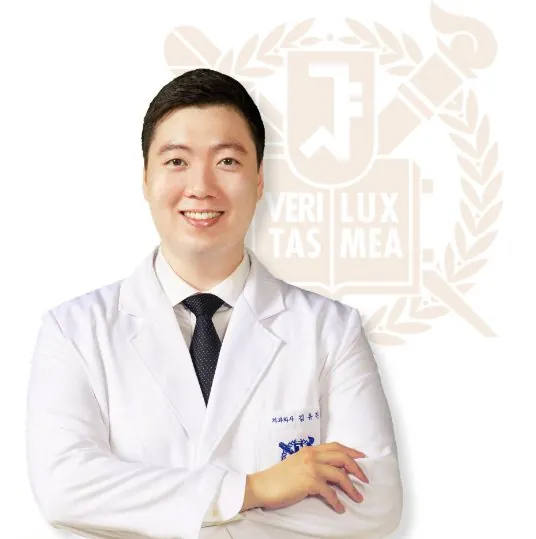
Dr. Yu Jin Kim
Dentist
- Board-certified specialist, Advanced General Dentistry (Ministry of Health and Welfare)
- Johns Hopkins University, USA
- Master’s degree, SNU Graduate School of Dentistry
- Former staff, Osaka University Dental Hospital, Japan

Dr. Min Ji Choi
Dentist
- Board-certified specialist, Conservative Dentistry
- Board-certified specialist, Advanced General Dentistry
- Internship and residency, Jeonbuk National University Dental Hospital
- Master’s degree in Conservative Dentistry, Jeonbuk National University

Dr. Jin Young Choi
Dentist
- Board-certified specialist, Advanced General Dentistry
- Clinical training, Faculty of Dentistry, University of British Columbia, Canada
- Master’s degree, Kyungpook National University Graduate School of Dentistry
- BA in English Language and Literature, Korea University
Check your gums
Ask for an examination and an itemised quote. The clinic near Taepyeong Station offers English-language consultation.