
Dentures vs Implants for Missing Teeth
Published by The Seoul Dental Clinic · Meet the dentists
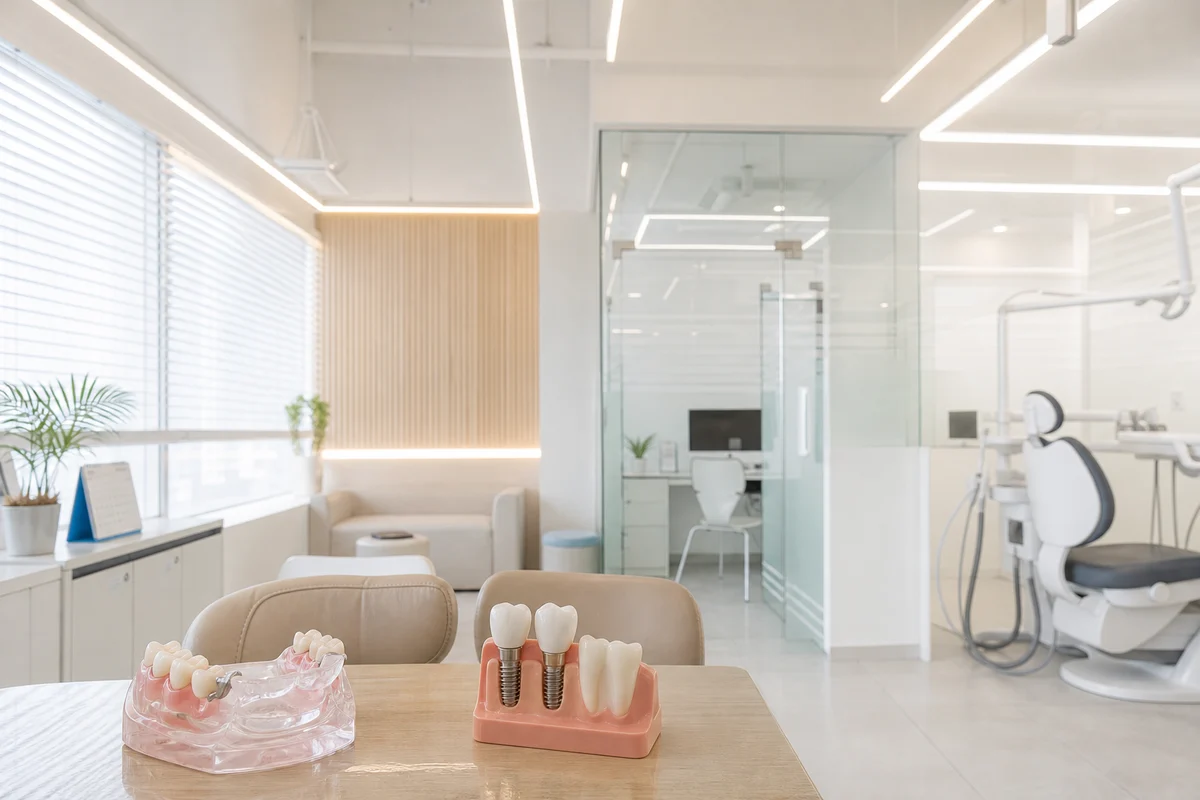
Dentures are removable and cost less to start; implants are fixed into the jaw and generally feel more stable. A middle path is an implant overdenture that clips onto implants. Which fits depends on how many teeth are missing, bone, health and budget.
Start with how many teeth are missing
One missing tooth, several in a row, or a whole arch are different problems. For one or two teeth, comparisons often involve implants or a bridge. For many teeth, the choice is between dentures, an implant overdenture, or a full-arch implant bridge.
This page covers the broader comparison; ask your dentist which category you fall in.
What each option offers
The denture range is wide because it depends on type and materials. The overdenture figure is the attachment set; implants are charged on top according to the brand chosen.
| Conventional denture | Implant overdenture | Full-arch implants | |
|---|---|---|---|
| Held by | Gums and suction | Implants with attachments | Implants, fixed |
| Removable | Yes | Yes, snaps on and off | Not by you |
| Surgery | None | Yes | Yes |
| Published price | ₩300K to ₩1.8M by type | ₩500K magnetic attachment, plus implants | ₩3.5M to ₩9.5M per arch |
Price list as published; confirm at consultation.
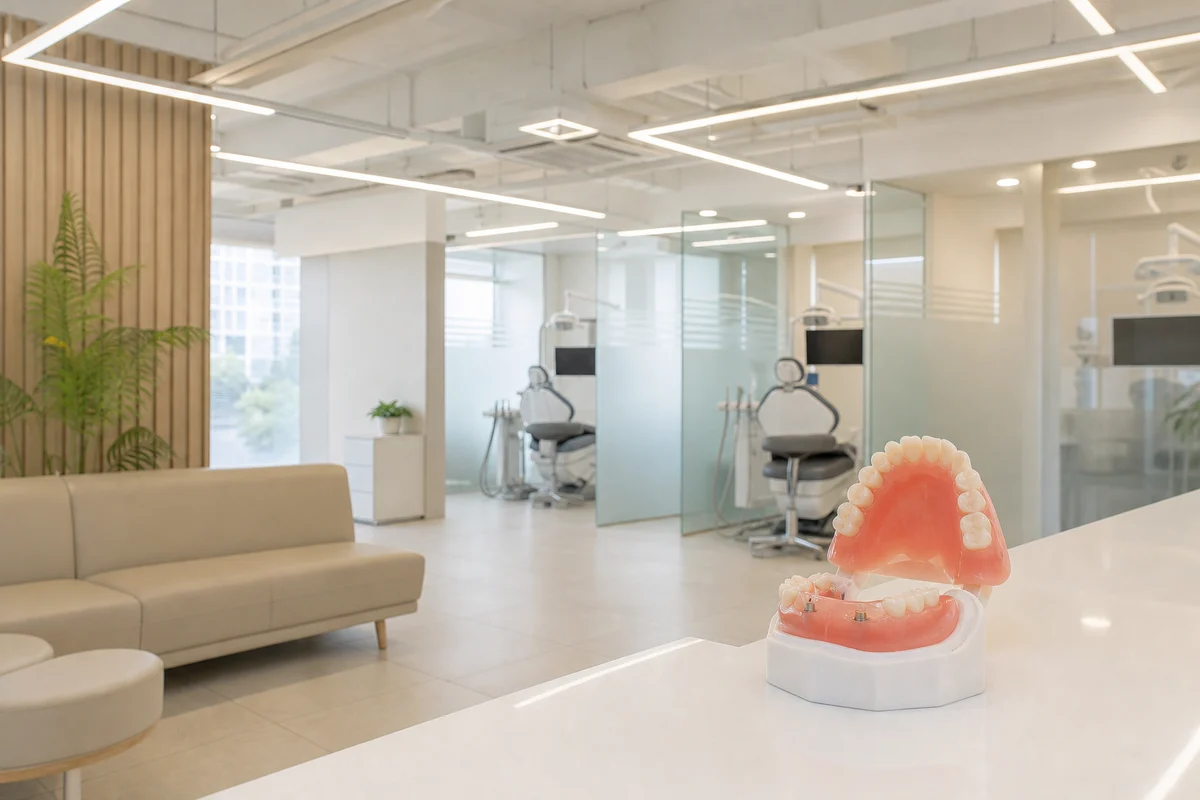
Where dentures work well
Dentures avoid surgery and are generally the lower-cost start. They can be a reasonable choice if you are healthy but not ready for implant surgery, or if you want an interim solution while planning something else.
The usual complaint is movement when eating or speaking, and that bone under a denture can shrink over time. Relines and adjustments are part of living with dentures.
Where implants work well
Implants anchor into bone, so a fixed result does not slide. A full-arch option is listed at ₩3.5M to ₩9.5M per arch, depending on the plan. Whether and when temporary teeth are fitted during healing is set out in your treatment plan.
Suitability depends on bone and gum health. A bone graft (₩100K to ₩1M depending on the extent) can be needed first, and a sinus lift for the upper back jaw is quoted after a CT examination.
Daily life with each option
Think about a normal week. With a conventional denture you remove it for cleaning, soak it, and may use adhesive. With an implant overdenture you still remove it, but it clicks into place and moves far less. With fixed full-arch implants you brush and clean around the teeth much as you would natural ones, using the tools your dentist shows you.
Eating differs as well. Dentures can limit very hard or sticky foods; implant-supported options tend to feel firmer under biting force. None of these remove the need for regular check-ups, because gums and bone change over time and the fit or bite may need adjusting.
Also consider your health and routines. Smoking, diabetes and gum disease can affect healing and long-term results, so tell your dentist about them. Honest information lets the plan be realistic instead of optimistic.
If you live in Korea only part of the year, tell the clinic early. Implant treatment involves healing periods, and dentures need fittings and adjustments. A schedule that matches your real calendar prevents rushed decisions.
The in-between: implant overdenture
If a fixed bridge is beyond your budget or bone situation, an overdenture clips onto a small number of implants. It remains removable for cleaning but holds much better than a standard denture.
The published magnetic attachment fee is ₩500K, with implants added according to the system you select.
Questions to take to your consultation
- How many implants would my case need?
- Is bone grafting likely in my case?
- What is the full cost including attachments and temporary teeth?
- What is the maintenance routine and follow-up schedule?
Video: our dentists explain
In Korean. On YouTube, turn on subtitles and choose Settings → Subtitles → Auto-translate → English.
What this video covers
For patients with no remaining teeth, the dentists compare three approaches: conventional dentures, implant-retained dentures, and fixed full-arch implants. Conventional dentures rest on the gums rather than being anchored to bone, so they can lift or slip when chewing or speaking, and an upper denture covers the palate, which can affect speech and the sense of food temperature and taste; over time the jawbone shrinks, so dentures often become loose. Implant dentures clip onto two to four implants (lower jaw) with snap or magnetic attachments, reducing movement, but they are still removable, may need to come out at night, and may need adjustment as the bone changes. Full-arch implants fix a complete set of teeth on four to six implants without covering the palate and do not need removing, but cleaning under the bridge with a water flosser or interdental brush and regular check-ups are needed.
- Conventional dentures rest on the gums and can loosen as the jawbone shrinks
- Implant dentures clip onto 2-4 implants for more stability but remain removable
- The choice depends on bone condition, general health, budget and lifestyle
Frequently asked questions
Are dentures cheaper than implants?
Generally yes at the start. Published denture fees run from ₩300K to ₩1.8M by type, while full-arch implants range from ₩3.5M to ₩9.5M per arch. Long-term upkeep also differs.
Can dentures be converted to implant-supported?
Sometimes a denture can be adapted to clip onto implants. Whether yours can is a clinical question.
Do I need bone grafting?
Not always. Imaging and examination show whether your bone is sufficient.
Will I have teeth on the day of surgery?
That depends on your plan. The fee schedule does not list temporary teeth as included with full-arch treatment, so ask how the healing period is handled and what it costs in your written quote.
English-speaking dentists in Seongnam
The clinic was founded by two brothers trained at Seoul National University who direct it together. Three further dentists hold Ministry of Health and Welfare specialist certifications. Full credentials →
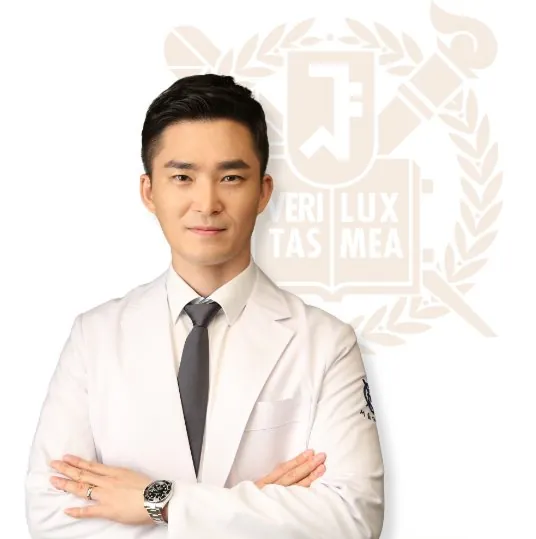
Dr. Hyun Sung Park
Clinic Director
- Co-founder and joint clinic director
- DDS, Seoul National University School of Dentistry
- Master’s degree, SNU Graduate School of Dentistry
- Former staff, Dept. of General Dentistry, SNU Dental Hospital
- Microendodontics Programme, SNU
- Course completion, UCLA, USA
- Member, UPenn Endodontics Study Club, USA
- Certified Invisalign Provider
- Osstem Implant AIC Programme
- Member, International Congress of Oral Implantologists (ICOI)
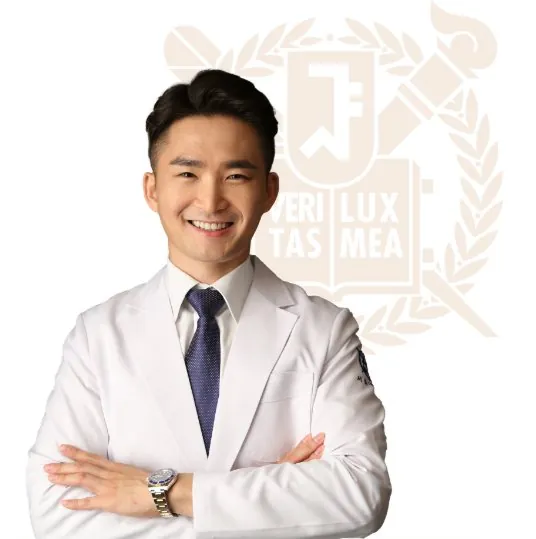
Dr. Hyeonjoon Park
Clinic Director
- Co-founder and joint clinic director
- DDS, Seoul National University School of Dentistry
- Master’s degree, SNU Graduate School of Dentistry
- Former staff, Dept. of General Dentistry, SNU Dental Hospital
- Affiliate Associate Fellow, American Academy of Implant Dentistry (AAID)
- Certified Invisalign Provider; leads orthodontic treatment
- Course completion, UCLA, USA
- Member, UPenn Endodontics Study Club, USA
- Member, International Congress of Oral Implantologists (ICOI)
- Member, Seoul Prime Orthodontic Study Club
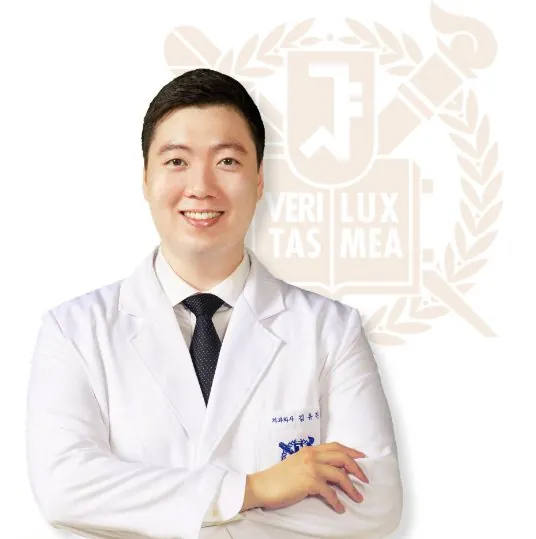
Dr. Yu Jin Kim
Dentist
- Board-certified specialist, Advanced General Dentistry (Ministry of Health and Welfare)
- Johns Hopkins University, USA
- Master’s degree, SNU Graduate School of Dentistry
- Former staff, Osaka University Dental Hospital, Japan
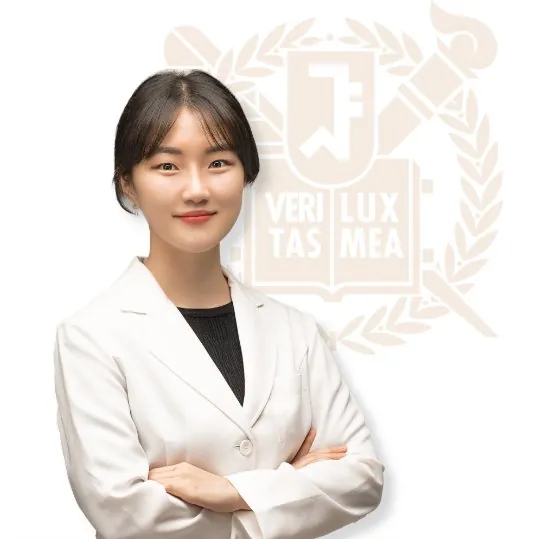
Dr. Min Ji Choi
Dentist
- Board-certified specialist, Conservative Dentistry
- Board-certified specialist, Advanced General Dentistry
- Internship and residency, Jeonbuk National University Dental Hospital
- Master’s degree in Conservative Dentistry, Jeonbuk National University
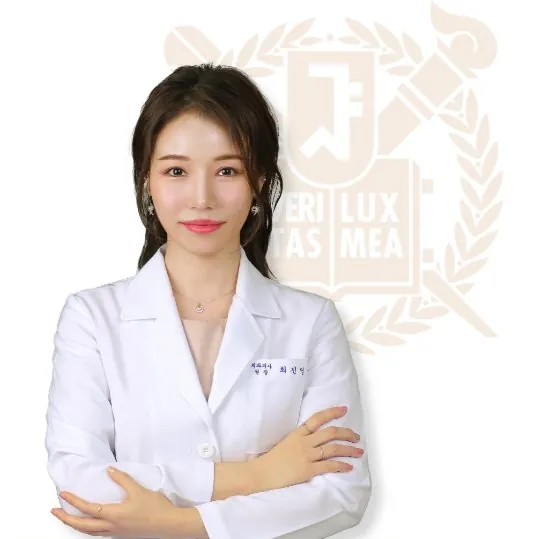
Dr. Jin Young Choi
Dentist
- Board-certified specialist, Advanced General Dentistry
- Clinical training, Faculty of Dentistry, University of British Columbia, Canada
- Master’s degree, Kyungpook National University Graduate School of Dentistry
- BA in English Language and Literature, Korea University
Compare options for your mouth
Come in with questions about cost, comfort and maintenance. An English consultation is available at the Sujin-dong clinic near Taepyeong Station.