
How to Look After a Dental Implant for the Long Term
Published by The Seoul Dental Clinic · Meet the dentists

An implant crown cannot get a cavity, but the gum and bone that hold the implant are living tissue and can become inflamed if plaque builds up. Gentle daily cleaning around the implant, cleaning between teeth and regular check-ups are the core of long-term care. Inflammation around implants often causes no pain, so check-ups matter even when everything feels fine.
Why an implant still needs care
It is easy to assume that an artificial tooth needs no attention. The crown and the implant post are made of materials that do not decay, but the implant depends entirely on the gum and bone around it. One way to picture it is a fence post in the ground: the post can be perfect, but if the soil around it washes away, it will not stay firm.
When plaque sits around an implant, the gum can become inflamed. Inflammation limited to the gum is called peri-implant mucositis, and it often settles with better cleaning and professional care. If inflammation spreads to the bone supporting the implant, it is called peri-implantitis. That stage involves bone loss and is more complex to treat.
Both stages can develop without pain. That is why regular examinations, including X-rays when needed, are an important part of looking after an implant rather than an optional extra.
Daily care at home
Long-term care starts with good healing. In the first days, follow your written instructions: avoid touching the site, avoid straws and vigorous spitting, eat soft food on the other side, and skip alcohol, smoking and strenuous exercise. Brush the untreated areas normally and clean the surgical area exactly as you were shown. The recovery timeline article covers this period in more detail.
Brush twice a day with a soft brush, paying special attention to the line where the crown meets the gum. Gentle, thorough strokes are better than hard scrubbing, which can irritate the gum.
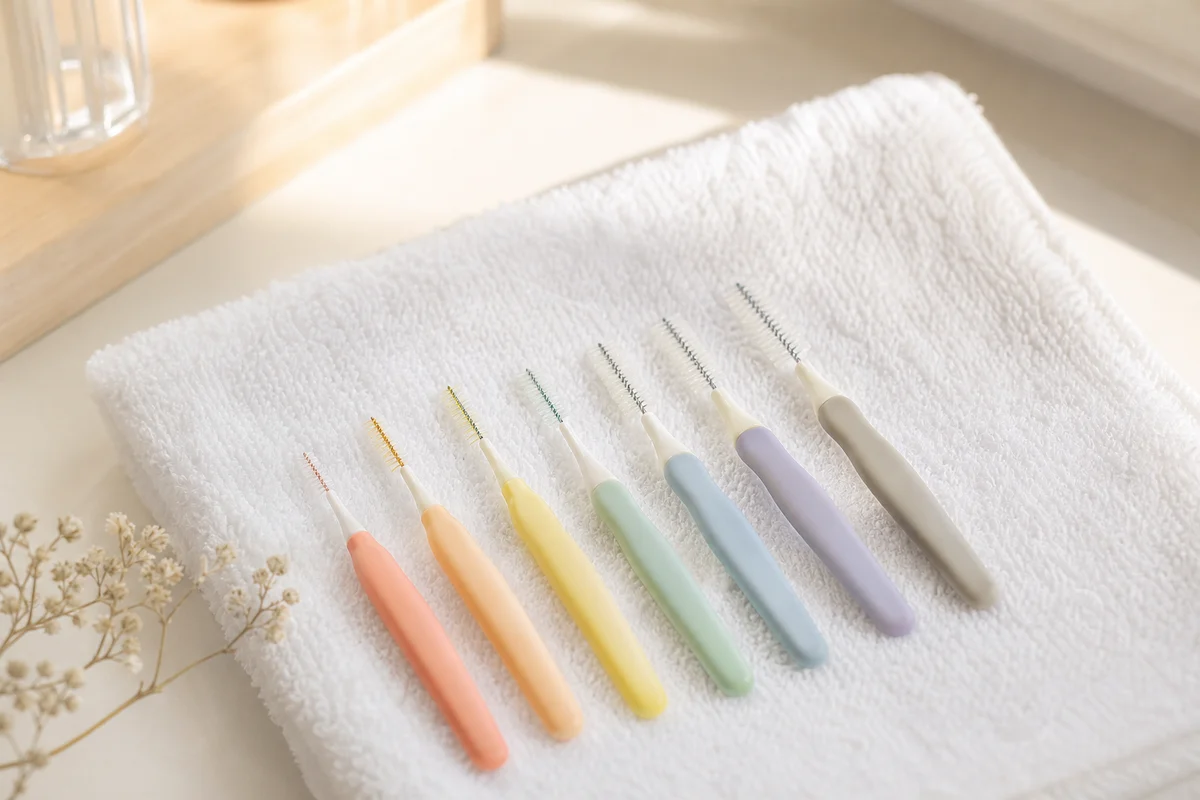
A toothbrush alone does not clean between teeth or under bridges and full-arch prostheses. Interdental brushes, floss suited to implants or a water flosser fill that gap. The right size and type depend on the space around your implant and the shape of your gums, so ask your dentist or hygienist to show you which tool to use and how.
If you have a full-arch prosthesis, the area underneath needs particular attention. Your dentist will show you the cleaning aids that reach under it.
- Soft brush, aimed at the gum line around the implant
- Interdental brush, implant floss or water flosser daily
- Gentle pressure; bleeding gums need more cleaning, not less
- Ask for a demonstration of the tools that fit your implant
Who needs to take extra care
Some factors raise the risk of inflammation around implants. If any apply to you, your dentist may suggest closer follow-up.
History of gum disease
People who have had periodontitis are known to have a higher risk around implants, and check-ups may be scheduled more often.
Smoking
Smoking affects blood supply and healing in the gums. Stopping or cutting down helps your implant as well as your general health.
Diabetes
Poorly controlled blood sugar is linked with more gum inflammation. Good control supports healthy tissue around implants.
Grinding or clenching
Heavy forces can wear the crown or loosen the screw that holds it. A custom night guard may be recommended.
What happens at an implant check-up
The interval between visits depends on your gum health and risk factors. Many people are seen around every six months; some need shorter gaps. Your dentist sets the schedule.
Gum check
The dentist looks for redness, swelling and bleeding, and may gently measure the gum pocket around the implant to spot changes early.
Bone check
X-rays are taken when needed to compare the bone level with earlier images.
Crown and screw
The crown, the screw connection and your bite are checked, since a loose screw or uneven bite can cause problems over time.
Professional cleaning
Plaque and hardened deposits are removed with instruments suitable for implant surfaces.
Home care review
Your cleaning routine and tools are reviewed and adjusted if needed.
Natural teeth and implants compared
| Natural tooth | Implant | |
|---|---|---|
| Cavities | Possible | Not in the crown or implant material |
| Gum and bone inflammation | Periodontal disease | Peri-implant mucositis and peri-implantitis |
| Daily brushing and interdental cleaning | Needed | Needed |
| Regular check-ups | Needed | Needed |
| Effect of smoking | Higher risk of gum disease | Higher risk of inflammation around the implant |
Warning signs not to wait on
Contact the clinic before your next scheduled visit if you notice any of these. They are not always serious, but only an examination can find the cause, and early treatment is usually simpler.
If inflammation is found, treatment depends on how far it has gone. Early stages are usually managed by thorough cleaning around the implant and improving home care. More advanced bone loss may need surgical treatment. The clinic's implant revision page explains how established problems are assessed. Fees for gum treatment are not published and are quoted after examination.
- Red or swollen gum around the implant
- Bleeding when you brush gently
- Pus, a bad taste or persistent bad breath near the implant
- Pain or discomfort when chewing
- A crown that feels loose or moves
- Food suddenly trapping beside the implant
If you live abroad or move often
Many expats have an implant placed in one country and maintained in another. That works well as long as the next dentist knows what was done. Before you leave, ask for a written summary that includes the implant brand, size and position, the type of abutment and crown, the dates of each stage and recent X-rays.
Keep these records somewhere you can find them, such as photos on your phone. Implant parts are often specific to a brand, so this information makes it much easier for another dentist to tighten a screw, replace a crown or investigate a problem years later.
Plan check-ups wherever you are living, rather than saving them for trips back. If you are visiting Korea, a check-up can often be combined with other dental visits; let the clinic know your dates when you book.
The Seoul Dental Clinic is by Taepyeong Station, Exit 5, in Sujin-dong, Seongnam, with English-language support. If your implant was placed elsewhere, you can still book a check-up; bring any records and the implant brand if you know it.
- Implant brand, size and position
- Abutment and crown type
- Dates of surgery and crown fitting
- Recent X-rays as digital files
Video: our dentists explain
In Korean. On YouTube, turn on subtitles and choose Settings → Subtitles → Auto-translate → English.
What this video covers
The dentists explain that although an implant cannot develop cavities, the gums and bone around it can still become inflamed when plaque and tartar build up, often starting quietly with bleeding, odor or food trapping rather than pain. Because the area where an implant crown meets the gum can be hard to reach with a toothbrush, they recommend floss, interdental brushes or a water flosser as suited to each patient. They describe how clenching, grinding, chewing very hard foods such as ice, nuts or dried squid, and one-sided chewing place repeated stress on implants, which can loosen screws or chip crowns. They also note that smoking can slow healing and mask gum bleeding, and that regular check-ups help find early changes before any symptoms appear.
- Implants do not decay, but the surrounding gums can become inflamed without pain at first
- Clenching, grinding and very hard foods can loosen screws or damage implant crowns
- Discuss smoking with your dentist and keep regular check-ups even when nothing hurts
Frequently asked questions
If an implant cannot decay, why does it need care?
The gum and bone holding the implant can become inflamed if plaque builds up. Daily cleaning and check-ups protect them.
How often should I have my implant checked?
Many people are seen around every six months, but your dentist sets the interval based on your gum health and risk factors.
Is brushing enough?
Usually not. Add interdental brushes, implant floss or a water flosser, and ask which tool fits your implant.
My implant crown feels loose. What should I do?
Contact the clinic promptly. A loose screw is often simple to fix early, but continued use can damage the parts.
Can peri-implantitis be treated?
Yes, the approach depends on severity. Early inflammation is often managed with cleaning; advanced bone loss may need surgery.
English-speaking dentists in Seongnam
The clinic was founded by two brothers trained at Seoul National University who direct it together. Three further dentists hold Ministry of Health and Welfare specialist certifications. Full credentials →

Dr. Hyun Sung Park
Clinic Director
- Co-founder and joint clinic director
- DDS, Seoul National University School of Dentistry
- Master’s degree, SNU Graduate School of Dentistry
- Former staff, Dept. of General Dentistry, SNU Dental Hospital
- Microendodontics Programme, SNU
- Course completion, UCLA, USA
- Member, UPenn Endodontics Study Club, USA
- Certified Invisalign Provider
- Osstem Implant AIC Programme
- Member, International Congress of Oral Implantologists (ICOI)

Dr. Hyeonjoon Park
Clinic Director
- Co-founder and joint clinic director
- DDS, Seoul National University School of Dentistry
- Master’s degree, SNU Graduate School of Dentistry
- Former staff, Dept. of General Dentistry, SNU Dental Hospital
- Affiliate Associate Fellow, American Academy of Implant Dentistry (AAID)
- Certified Invisalign Provider; leads orthodontic treatment
- Course completion, UCLA, USA
- Member, UPenn Endodontics Study Club, USA
- Member, International Congress of Oral Implantologists (ICOI)
- Member, Seoul Prime Orthodontic Study Club
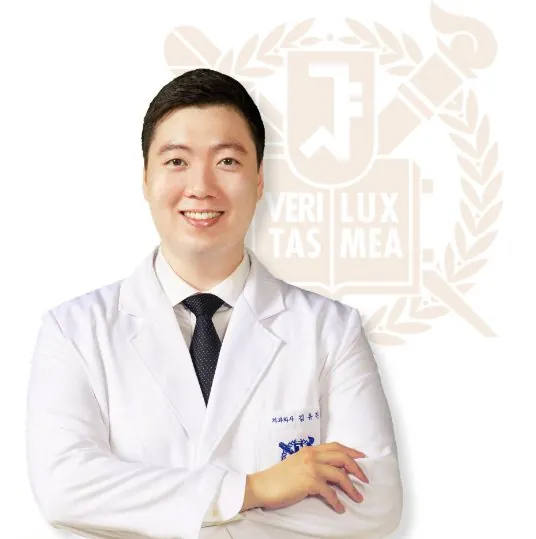
Dr. Yu Jin Kim
Dentist
- Board-certified specialist, Advanced General Dentistry (Ministry of Health and Welfare)
- Johns Hopkins University, USA
- Master’s degree, SNU Graduate School of Dentistry
- Former staff, Osaka University Dental Hospital, Japan

Dr. Min Ji Choi
Dentist
- Board-certified specialist, Conservative Dentistry
- Board-certified specialist, Advanced General Dentistry
- Internship and residency, Jeonbuk National University Dental Hospital
- Master’s degree in Conservative Dentistry, Jeonbuk National University

Dr. Jin Young Choi
Dentist
- Board-certified specialist, Advanced General Dentistry
- Clinical training, Faculty of Dentistry, University of British Columbia, Canada
- Master’s degree, Kyungpook National University Graduate School of Dentistry
- BA in English Language and Literature, Korea University
Due for an implant check-up?
Book a check-up in Taepyeong, Seongnam, and ask for a cleaning routine that suits your implant.