
Soft Food Near Taepyeong After Dental Work
Published by The Seoul Dental Clinic · Meet the dentists
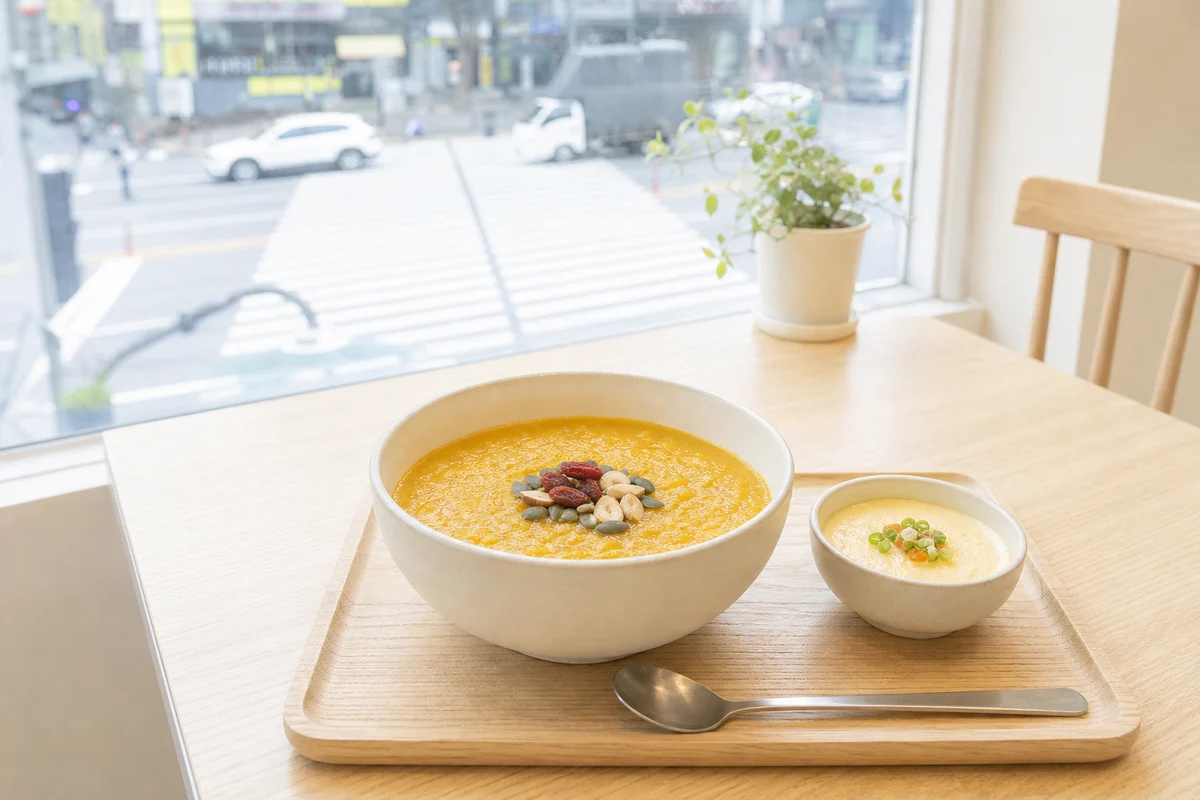
Korean cooking has many gentle, soft dishes that suit the days after dental work: porridge, soft tofu stew, steamed egg and plain soups. You can find these at ordinary neighborhood restaurants around Taepyeong, Sujin-dong and Moran. This guide covers the types of food and how to order them, not specific restaurants.
Why we do not name restaurants
Restaurants open, close and change menus often, and we do not want to send you somewhere that is no longer there. Instead, this page describes the kinds of dishes to look for. Ask your hotel, your host or a local friend what is nearby, or look at maps around Taepyeong Station and Sujin-dong.
Your dentist's advice for your own procedure comes first. If you were told to avoid a type of food, follow that.
A good habit is to look for a simple place with a short menu and a few mild dishes. Staff in neighborhood restaurants around Moran, Sujin and Sinheung are used to customers asking for food to be less spicy or cut small. If chewing is hard, say so with a gesture and the word for soft. Most will try to help, and ordering simple dishes keeps the experience stress-free.
Soft dishes to look for
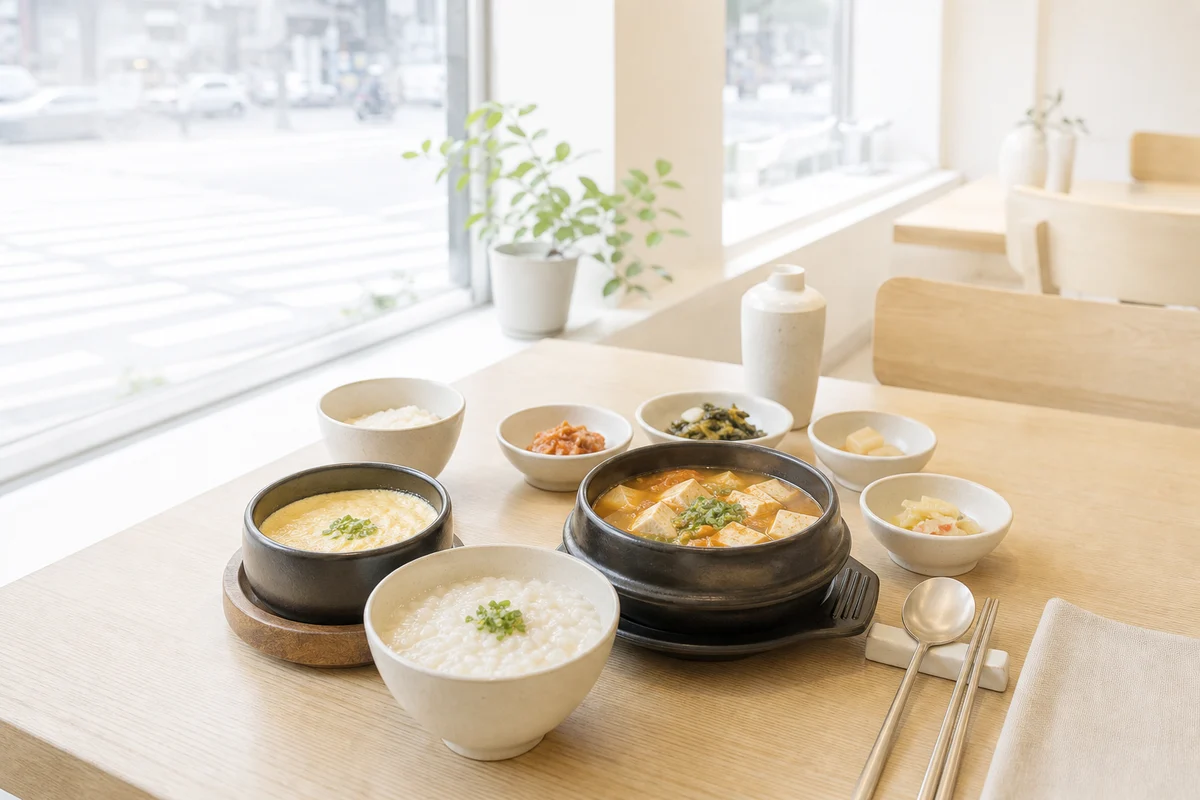
These are common Korean dishes. Availability varies from place to place.
Juk (porridge)
A smooth, warm dish that needs almost no chewing. Plain versions are the gentlest.
Sundubu-jjigae (soft tofu stew)
Very soft tofu in broth. Ask for it mild, as it is often served spicy.
Gyeran-jjim (steamed egg)
A soft, savory egg dish that is easy to eat with a spoon.
Gomtang or seolleongtang
Clear soups with rice. Let the soup cool a little before eating.
Mul-naengmyeon
Noodles in cold broth. They are long and chewy, so cut them short or skip them if chewing is difficult.
Ordering tips you can use
A short note on your phone in Korean is often the easiest approach. Ask a Korean friend to write it, or ask the clinic.
| You want | Try saying or showing |
|---|---|
| Not spicy | Deol maepge juseyo (less spicy, please) |
| Soft food | Budeureoun eumsik (soft food) |
| Lukewarm, not hot | Tteugeopji anke juseyo (not too hot, please) |
| No hard garnish | Show the phone note: soft food only, please |
What to be careful with
Hot soup, spicy food, crunchy side dishes and tough meat can irritate a sore mouth or a fresh surgical site. Very hot drinks can be a problem after local anesthetic, as numbness can hide heat.
- Let soups cool before the first spoonful.
- Avoid hard rice crust, nuts and crunchy side dishes.
- Skip straws if your dentist told you to.
- Chew on the untreated side when you are allowed to chew.
- Wait until numbness has worn off before eating anything hot.
Convenience options
Convenience stores and supermarkets near stations sell ready-made porridge, soft tofu, yogurt and plain soups. These can be useful on the day of treatment when you do not want to go out. Check labels for chili or hard ingredients if you cannot read Korean, or ask staff to help.
For broader advice on diet by treatment, see our guide to what to eat after dental treatment.
Frequently asked questions
Can I eat Korean food after dental work?
Yes, if you choose soft, mild dishes. Avoid spicy, hot or crunchy foods until your dentist says otherwise.
How do I ask for non-spicy food?
Say deol maepge juseyo (less spicy, please), or show a note. Many places can make dishes milder if you ask.
Is cold food a good idea?
Cool, soft foods are often comfortable. Avoid very cold or very hot items if your teeth are sensitive.
Will the clinic recommend a restaurant?
The clinic does not publish restaurant recommendations. Ask about food types, and your dentist can advise what suits your procedure.
English-speaking dentists in Seongnam
The clinic was founded by two brothers trained at Seoul National University who direct it together. Three further dentists hold Ministry of Health and Welfare specialist certifications. Full credentials →
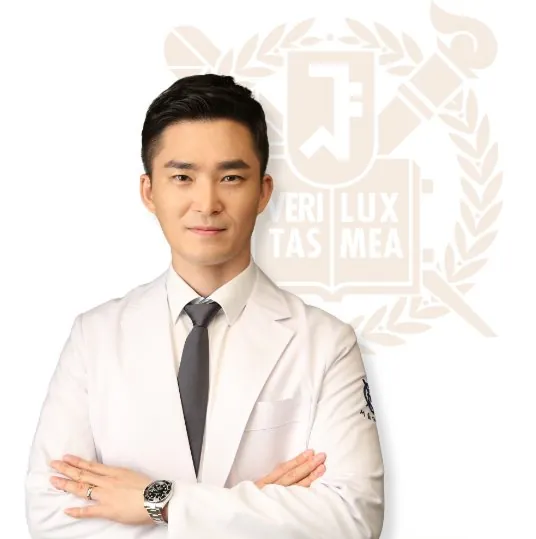
Dr. Hyun Sung Park
Clinic Director
- Co-founder and joint clinic director
- DDS, Seoul National University School of Dentistry
- Master’s degree, SNU Graduate School of Dentistry
- Former staff, Dept. of General Dentistry, SNU Dental Hospital
- Microendodontics Programme, SNU
- Course completion, UCLA, USA
- Member, UPenn Endodontics Study Club, USA
- Certified Invisalign Provider
- Osstem Implant AIC Programme
- Member, International Congress of Oral Implantologists (ICOI)
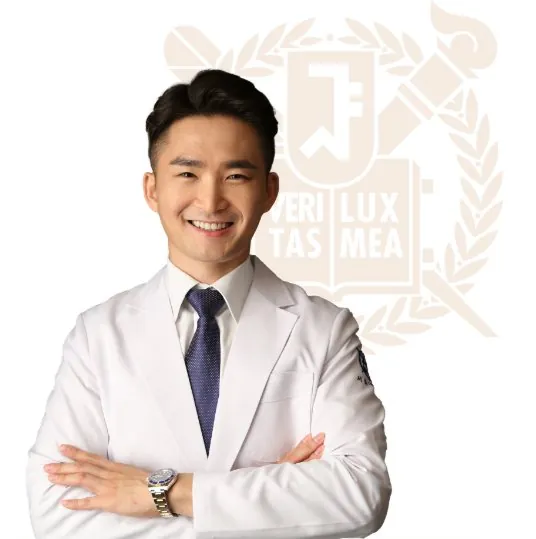
Dr. Hyeonjoon Park
Clinic Director
- Co-founder and joint clinic director
- DDS, Seoul National University School of Dentistry
- Master’s degree, SNU Graduate School of Dentistry
- Former staff, Dept. of General Dentistry, SNU Dental Hospital
- Affiliate Associate Fellow, American Academy of Implant Dentistry (AAID)
- Certified Invisalign Provider; leads orthodontic treatment
- Course completion, UCLA, USA
- Member, UPenn Endodontics Study Club, USA
- Member, International Congress of Oral Implantologists (ICOI)
- Member, Seoul Prime Orthodontic Study Club
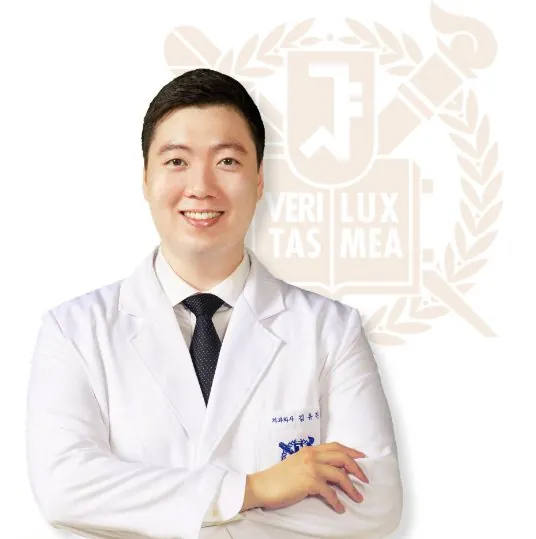
Dr. Yu Jin Kim
Dentist
- Board-certified specialist, Advanced General Dentistry (Ministry of Health and Welfare)
- Johns Hopkins University, USA
- Master’s degree, SNU Graduate School of Dentistry
- Former staff, Osaka University Dental Hospital, Japan
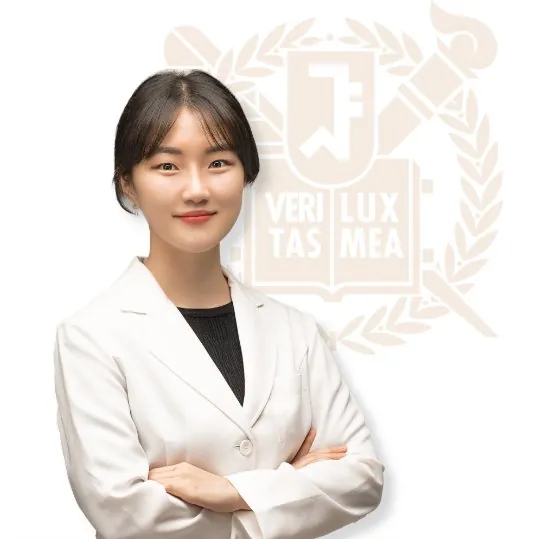
Dr. Min Ji Choi
Dentist
- Board-certified specialist, Conservative Dentistry
- Board-certified specialist, Advanced General Dentistry
- Internship and residency, Jeonbuk National University Dental Hospital
- Master’s degree in Conservative Dentistry, Jeonbuk National University
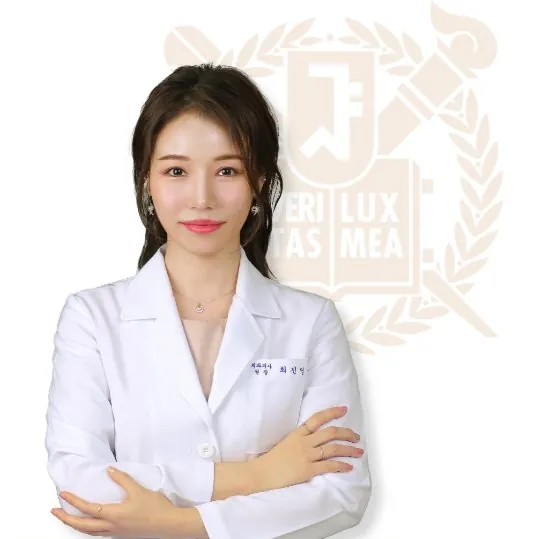
Dr. Jin Young Choi
Dentist
- Board-certified specialist, Advanced General Dentistry
- Clinical training, Faculty of Dentistry, University of British Columbia, Canada
- Master’s degree, Kyungpook National University Graduate School of Dentistry
- BA in English Language and Literature, Korea University
Planning treatment near Taepyeong?
Ask your dentist what you can eat after your specific procedure, and stock up before the appointment.