
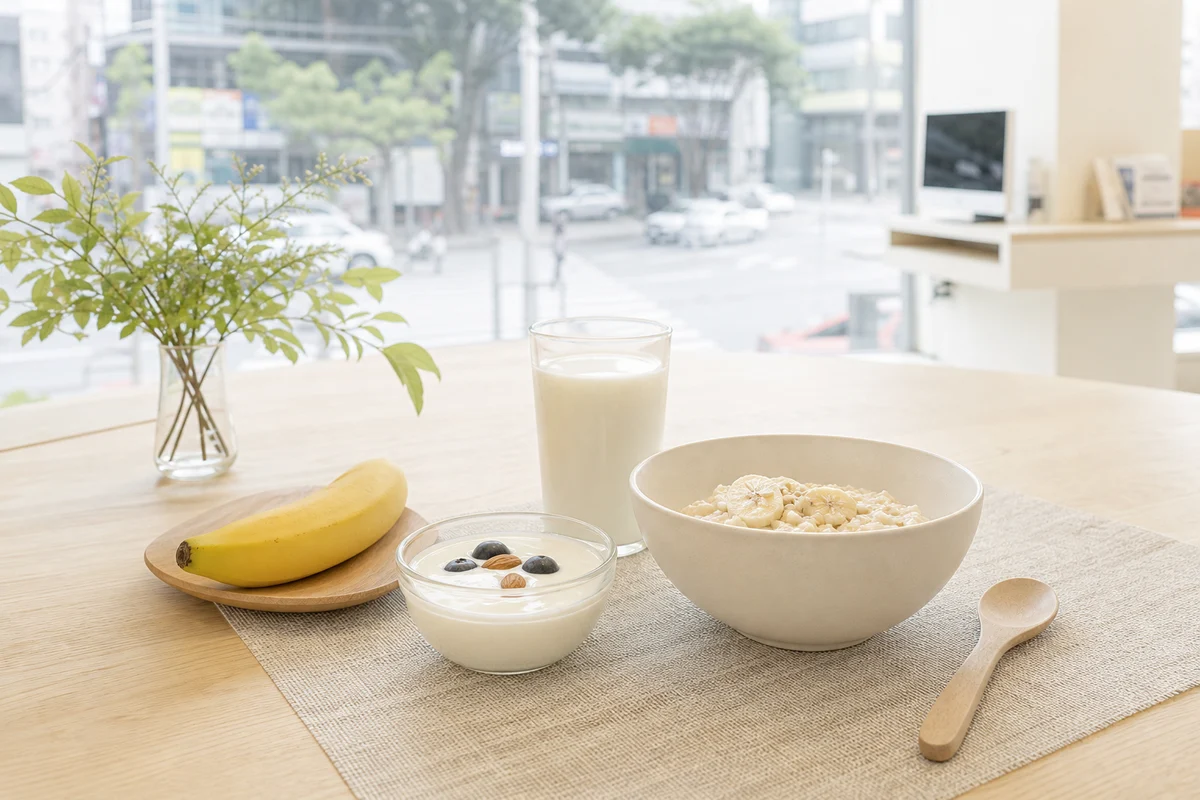
Choose soft, mild, lukewarm food after most dental treatment, and wait until numbness fades before you eat. Avoid hard, sticky, spicy and very hot foods at first. The details depend on your procedure, so follow the instructions your dentist gives you.
Start with the numbness
Local anesthetic can leave your lip, cheek and tongue numb for a while. Eating before it fades makes it easy to bite yourself without noticing, and hot food can burn without you feeling it.
Wait until normal feeling returns, or until your dentist says it is fine. Cool water or lukewarm drinks are a safe start.
Hydration matters too. Drink water in small sips, and avoid alcohol until your dentist says it is fine. If you feel tired or your appetite is low, eat small amounts more often rather than a large meal. Keep your food simple and avoid anything you are unsure about. If swallowing is uncomfortable or you cannot eat enough for more than a short time, contact your dentist for advice.
Guide by treatment
This is a general guide. Your dentist may tell you something different.
| Treatment | Usually easiest to eat | Often best avoided early |
|---|---|---|
| Filling | Soft food; many people can eat normally once numbness fades | Very hard or sticky food on the filled tooth, if advised |
| Extraction | Yogurt, porridge, mashed vegetables, soft eggs | Hot, spicy and crunchy food; straws |
| Implant surgery | Soft, cool or lukewarm food away from the site | Chewing on the area; hard or sharp food |
| Whitening | Plain, light-colored food | Strongly colored foods and drinks if advised |
| Crown or veneer | Soft food at first | Sticky candy and hard food until your dentist says fine |
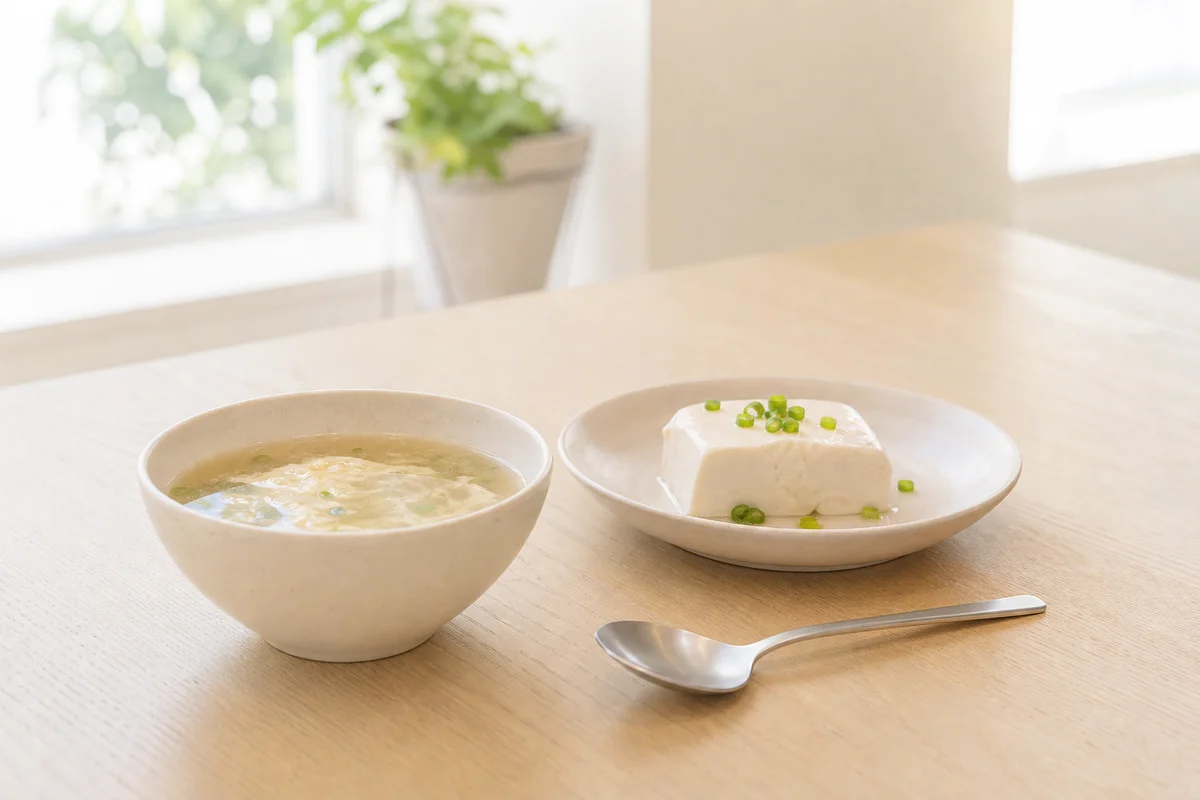
Soft food ideas
Many everyday foods are gentle on a healing mouth.
- Porridge, oatmeal or rice soup
- Yogurt and smooth soups
- Mashed potato and soft cooked vegetables
- Scrambled or steamed eggs
- Soft tofu
- Ripe banana or a smoothie eaten with a spoon
Foods and habits to avoid
Some foods put the most strain on a sore or healing area. Hard, crunchy and sticky foods can irritate tissue, move a temporary crown, or disturb a blood clot. Spicy and acidic foods may sting. Very hot food and drink can be a problem while numb.
Alcohol and smoking can interfere with healing, so ask your dentist what applies to you. Do not chew on the treated side until you are told it is fine.
Eating in Korea
Korean cuisine includes many gentle dishes, including porridge and soft tofu stew. Ask for dishes to be mild, as many are served spicy. Convenience stores sell ready-made porridge and yogurt that can help on the day of treatment. For ideas near Taepyeong, see the soft-food guide linked below.
The clinic does not publish nutrition advice for specific conditions. If you have diabetes, allergies or other dietary needs, tell your dentist and follow your doctor's guidance.
When food is a warning sign
Difficulty eating that gets worse rather than better, food repeatedly stuck in a surgical site, or pain with every bite can be a sign something needs checking. Contact your dentist rather than waiting.
Remember that advice is personal. A person with braces, a temporary crown or a fresh graft needs different care from someone who has just had a polish. If your instructions and this page ever differ, follow your instructions, and ask your dentist to explain the reason if you are curious.
Frequently asked questions
How long should I eat soft food?
It depends on the treatment. After a simple filling it may be hours; after surgery it may be days or longer. Your dentist will advise.
Can I drink coffee after treatment?
Wait until numbness fades and avoid very hot drinks. After whitening, ask whether to limit staining drinks.
Can I eat spicy food after an extraction?
It is best avoided at first, as it can irritate the area.
Do I need to change how I clean my teeth?
Often only around the treated area. Ask your dentist how to clean it safely.
English-speaking dentists in Seongnam
The clinic was founded by two brothers trained at Seoul National University who direct it together. Three further dentists hold Ministry of Health and Welfare specialist certifications. Full credentials →
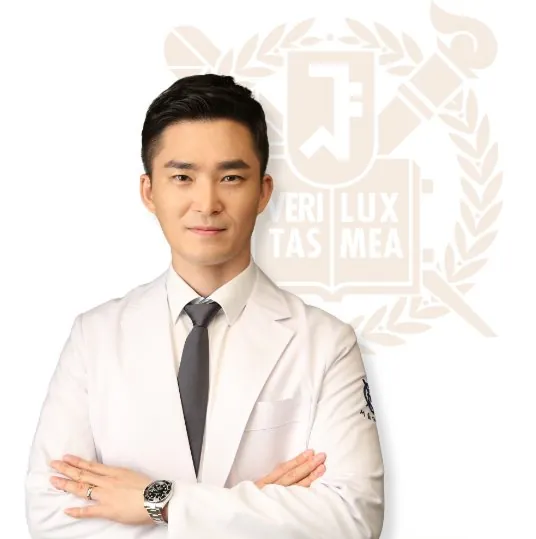
Dr. Hyun Sung Park
Clinic Director
- Co-founder and joint clinic director
- DDS, Seoul National University School of Dentistry
- Master’s degree, SNU Graduate School of Dentistry
- Former staff, Dept. of General Dentistry, SNU Dental Hospital
- Microendodontics Programme, SNU
- Course completion, UCLA, USA
- Member, UPenn Endodontics Study Club, USA
- Certified Invisalign Provider
- Osstem Implant AIC Programme
- Member, International Congress of Oral Implantologists (ICOI)
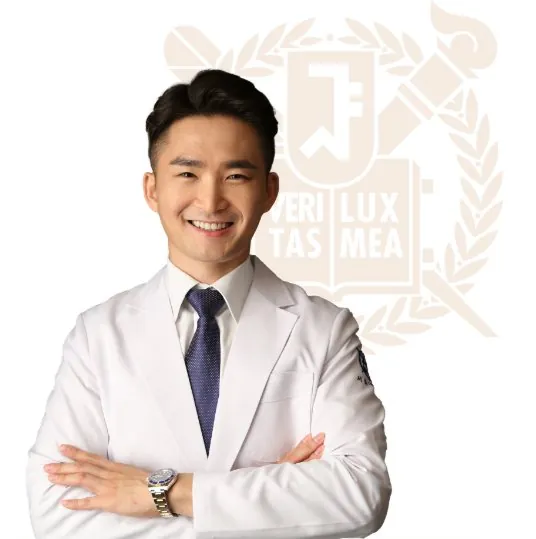
Dr. Hyeonjoon Park
Clinic Director
- Co-founder and joint clinic director
- DDS, Seoul National University School of Dentistry
- Master’s degree, SNU Graduate School of Dentistry
- Former staff, Dept. of General Dentistry, SNU Dental Hospital
- Affiliate Associate Fellow, American Academy of Implant Dentistry (AAID)
- Certified Invisalign Provider; leads orthodontic treatment
- Course completion, UCLA, USA
- Member, UPenn Endodontics Study Club, USA
- Member, International Congress of Oral Implantologists (ICOI)
- Member, Seoul Prime Orthodontic Study Club
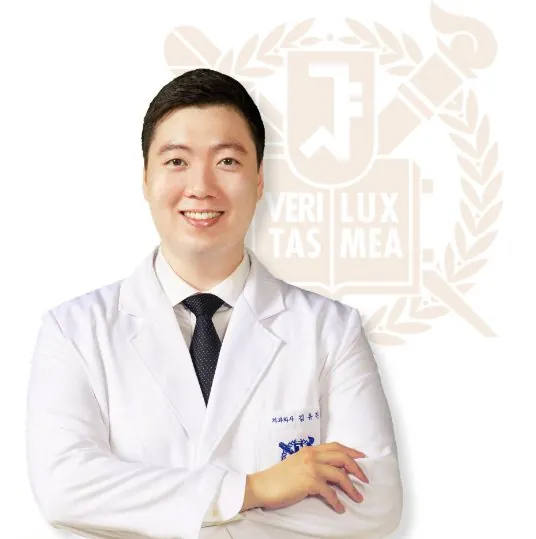
Dr. Yu Jin Kim
Dentist
- Board-certified specialist, Advanced General Dentistry (Ministry of Health and Welfare)
- Johns Hopkins University, USA
- Master’s degree, SNU Graduate School of Dentistry
- Former staff, Osaka University Dental Hospital, Japan

Dr. Min Ji Choi
Dentist
- Board-certified specialist, Conservative Dentistry
- Board-certified specialist, Advanced General Dentistry
- Internship and residency, Jeonbuk National University Dental Hospital
- Master’s degree in Conservative Dentistry, Jeonbuk National University

Dr. Jin Young Choi
Dentist
- Board-certified specialist, Advanced General Dentistry
- Clinical training, Faculty of Dentistry, University of British Columbia, Canada
- Master’s degree, Kyungpook National University Graduate School of Dentistry
- BA in English Language and Literature, Korea University
Ask before you leave the chair
At your appointment in Taepyeong, ask what to eat and avoid for your own procedure, ideally in writing.